






Table of Contents
What “Diet To Gain Weight” Really Means
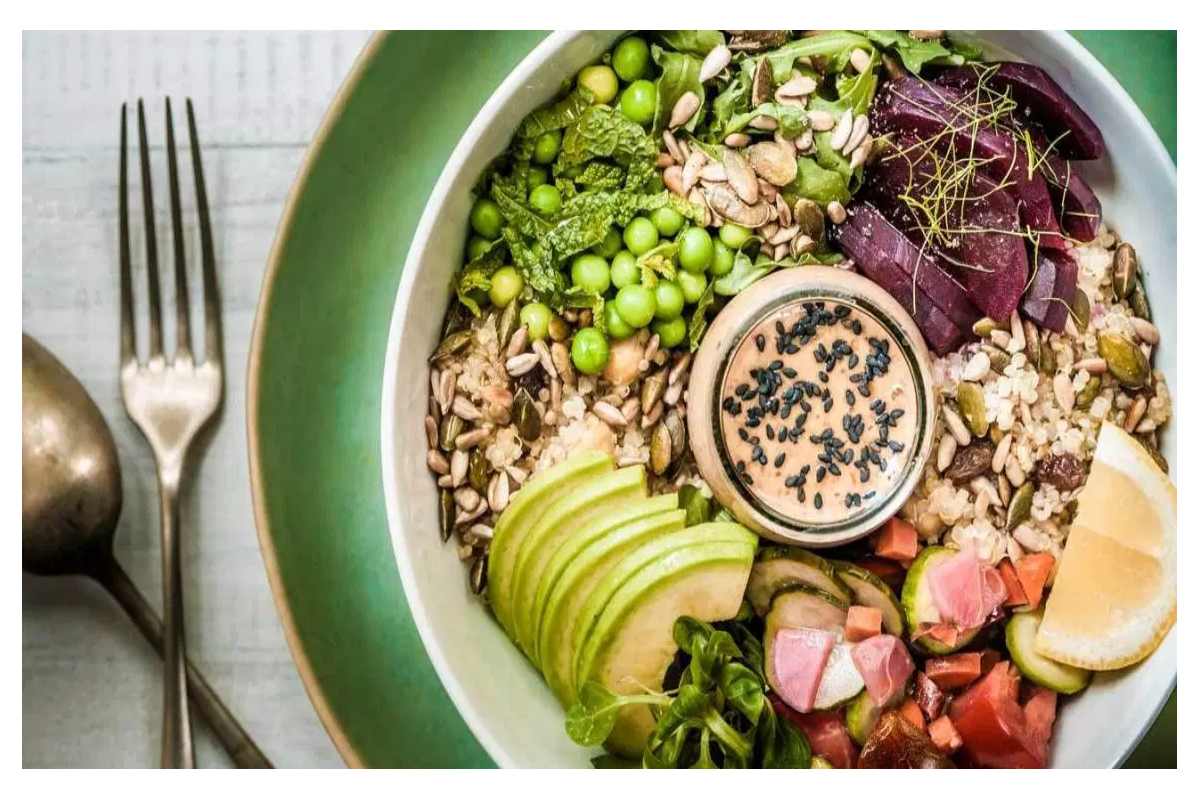
A “diet to gain weight” is simply a calorie‑surplus eating plan built around real food, not just massive portions of pizza and chips. The safest approaches add 300–500 extra calories per day; more aggressive plans (500–1000 extra) are usually short‑term or medically supervised.
Healthy weight gain focuses on:
- Extra calories from nutrient‑dense foods (proteins, complex carbs, healthy fats),
- Frequent meals and snacks (5–6 times per day instead of 2–3),
- Light strength‑training so some of that surplus turns into muscle.
Unhealthy weight gain happens when people rely mostly on:
- Sugary drinks,
- Ultra‑processed snacks,
- Deep‑fried and high‑salt, low‑fiber foods.
How Many Extra Calories Do You Need?
Most experts suggest starting with 300–500 extra calories per day if you want slow and steady gain (0.25–0.5 kg per week). Some short‑term “7‑day” plans use 500–1000 extra calories/day (≈2800–3200 kcal daily for many adults), but these are best followed only for brief periods unless a doctor or dietitian is involved.
To estimate your needs:
- Find your maintenance calories (roughly the calories your body burns each day).
- Add 300–500 calories for gentle gain.
- Adjust upwards only if you’re genuinely a “hardgainer” and aren’t putting on weight after 2–4 weeks.
If you’re underweight, recovering from illness, or have medical conditions (diabetes, thyroid issues, etc.), get a doctor’s input before aggressively increasing calories.

Macros and Food Groups for Weight Gain
For a diet to gain weight that builds muscle instead of just fat, aim for a rough split like:
- Carbs: 45–55% of calories (whole grains, rice, potatoes, oats, fruits).
- Protein: 20–25% (eggs, poultry, fish, dairy, legumes, paneer, tofu).
- Fats: 20–30% (nuts, seeds, oils, avocado, ghee, full‑fat dairy).
Key high‑calorie, nutrient‑rich foods to include:
- Proteins: eggs, chicken, fish, paneer, tofu, lentils, Greek yogurt, protein‑rich milkshakes.
- Calorie‑dense carbs: rice, roti, quinoa, oats, sweet potatoes, whole‑grain bread, bananas, mangoes.
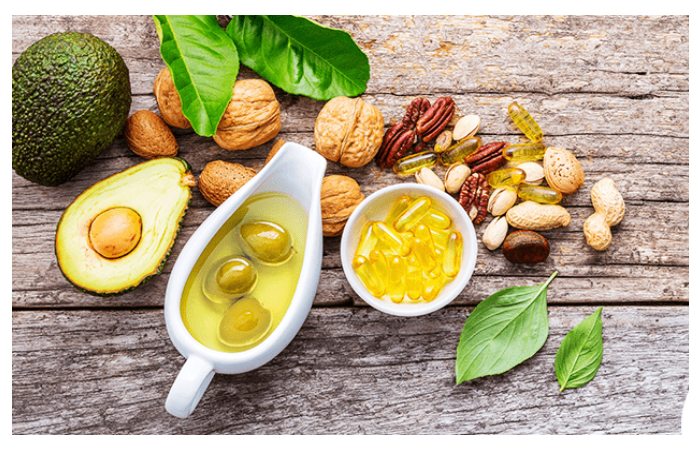
- Healthy fats: nuts and seeds, nut‑butter, ghee, olive oil, coconut oil, avocado.
Using smoothies, shakes, and ghee‑topped meals can quietly add 200–400 calories per day without feeling overly stuffed.
A 7‑Day Diet To Gain Weight (Indian‑Friendly, Vegetarian‑Focus)
This 7‑day diet chart to gain weight assumes you eat 3 main meals plus 2–3 snacks. Adjust portions up or down depending on how quickly you gain weight. If you gain nothing in 2 weeks, add 1–2 extra tablespoons of ghee/nut‑butter, 1 extra glass of milk, or 1 small roti per day.
Day 1–7 (Indian‑style framework)
Breakfast (any one, daily):
- 2 egg‑omelette with cheese + 2 whole‑wheat parathas with ghee + 1 banana + 1 glass full‑fat milk.
- OR 2 slices whole‑wheat bread with peanut butter + boiled eggs + 1 cup curd + 1 cup fruit (banana/mango).
Mid‑morning snack:
- Handful of mixed nuts + 1 fruit + 1 glass buttermilk or flavored milk.
Lunch (any one):
- 1.5–2 cups rice or 3–4 rotis + 1 cup dal/curry/vegetable + 1 bowl curd + 1 tsp ghee on top.
- OR 1.5–2 cups rice + paneer / soya / lentils + salad + 1 boiled egg or raita.
Evening snack:
- Protein smoothie (milk + banana + peanut butter + oats + honey) OR
- Bread sandwich with cheese + nuts + fruit juice / milk.
Dinner (similar to lunch, slightly smaller if you had a big lunch):
- 1–1.5 cups rice or 2–3 rotis + dal/curry + 1 bowl curd + 1 tsp ghee.
Bedtime snack (optional but helpful for hardgainers):
- A glass of hot milk with nuts or a small protein‑shake.
Repeat this pattern over 7 days, swapping protein sources and grains (e.g., oats some days, sabudana khichdi or upma on others).
A 7‑Day Diet To Gain Weight (Global‑Style, Mixed Diet)
This plan is more international, with an emphasis on protein‑rich, muscle‑supportive foods while still keeping it balanced.
Target range: about 2,800–3,200 kcal/day for many adults, adjusted down if you’re smaller or up if you’re taller/vigorous.
Sample daily pattern
Breakfast:
- 3 scrambled eggs with cheese + 2 slices whole‑wheat toast with butter + 1 banana + 1 glass whole milk or smoothie.
Mid‑morning snack:
- Handful of mixed nuts + Greek yogurt with honey + small fruit.
Lunch:
- Grilled chicken or fish + 1.5 cups brown rice or quinoa + vegetables cooked in olive oil + side salad.
Afternoon snack:
- Whole‑grain wrap with cheese and avocado or peanut‑butter toast + fruit + milk or a protein shake.
Dinner:
- Lean protein (tofu/chicken/fish/beans) + 1 cup rice or potatoes + vegetables + 1–2 tbsp healthy oil.
Bedtime snack:
- Glass of milk with a few cookies or a small protein shake.
Repeat this structure across 7 days, changing proteins and grains to keep it interesting.
Diet To Gain Weight for Skinny Guys / Hardgainers
If you’re naturally skinny with a fast metabolism, consider:
- Starting with 500–700 extra calories per day, increasing gradually.
- Adding “liquid calories” (milk, smoothies, shakes) that are easier to consume than huge solid meals.
- Using extra‑fat boosts like ghee, nut‑butter, and cheese on everyday meals.
Practical tactics:
- Eat a protein‑rich bedtime snack (milk + nuts or a protein shake).
- Add an extra small snack mid‑morning and mid‑afternoon (nuts, fruit, yogurt, sandwich).
- Track your weight weekly; if it’s not rising, increase calories by 100–200 per day every 1–2 weeks until you see progress.
Simple Tips for Appetite and Consistency
- Eat 5–6 smaller meals instead of 2–3 big ones to avoid feeling stuffed.
- Use calorie‑dense additions: extra ghee, nuts, seeds, or cheese on meals.
- Stay hydrated separately; too much water before meals can reduce appetite.
- Limit low‑calorie, high‑bulk foods (e.g., salads only) at the start of big meals.
When to See a Doctor or Dietitian
Consult a doctor or registered dietitian if:
- You’re underweight but still can’t gain weight despite extra calories,
- You have unintentional weight loss, fatigue, digestive issues, or medical conditions (thyroid, diabetes, etc.).
They can:
- Check your calorie and macro‑targets,
- Adjust for specific conditions,
- And sometimes recommend medical‑grade high‑calorie supplements if needed.
How to calculate your calorie surplus for weight gain
| Step | What to do | Example (Adult male, ~70 kg, 175 cm, light activity) |
| 1. Estimate your maintenance (TDEE) | Use an online calorie or TDEE calculator (or a formula like Mifflin‑St Jeor + activity multiplier) to find your Total Daily Energy Expenditure. | Example TDEE ≈ 2,400 kcal/day (maintenance). |
| 2. Choose your surplus level | Decide how aggressive you want your weight gain: | |
| ‑ Lean & steady | Add ~250 kcal/day surplus → ~0.25–0.5 lb (0.1–0.25 kg) per week. | 2,400 + 250 = 2,650 kcal/day |
| ‑ Balanced gain | Add ~350–400 kcal/day surplus → ~0.5–0.75 lb (0.2–0.35 kg) per week. | 2,400 + 375 = 2,775 kcal/day |
| ‑ Faster gain | Add ~500 kcal/day surplus → ~0.75–1 lb (0.35–0.45 kg) per week. | 2,400 + 500 = 2,900 kcal/day |
| 3. Adjust based on progress | Weigh yourself weekly; if you aren’t gaining, increase by 100–200 kcal/day; if you gain too fast or mostly fat, reduce the surplus slightly. | E.g., no gain after 2–4 weeks → add 100 kcal → 2,775 → 2,875 kcal/day |
Surplus‑to‑gain shorthand (for adult‑sized individuals)
| Surplus per day | Approx. weekly gain | Best for |
| +250 kcal | ~0.25–0.5 lb / 0.1–0.25 kg | Safe, lean‑focused gain, recomposition. |
| +350–400 kcal | ~0.5–0.75 lb / 0.2–0.35 kg | Most lifters and active adults aiming for muscle. |
| +500 kcal | ~0.75–1 lb / 0.35–0.45 kg | Hardgainers or short‑term “bulks.” |
Once you pick your daily calorie target, fill it with protein‑rich foods, complex carbs, and healthy fats and pair it with strength training so excess calories preferentially build muscle instead of fat.
Conclusion
In short, calculating your personal calorie surplus for weight gain comes down to three steps:
- find your maintenance calories (TDEE),
- add 250–500 extra calories per day depending on how fast you want to gain, and
- adjust that number up or down every 2–4 weeks based on your actual weight‑gain progress.
A modest surplus (around 250–350 extra calories) usually gives the best balance of steady weight gain and muscle‑focused results, while higher surpluses (500+) work better for true hardgainers or short‑term bulks. The key is to combine this surplus with enough protein and strength training so the extra calories build muscle instead of just fat.