



A cupping mark isn’t bruising in the way a bump against furniture leaves a bruise. In TCM, the colour it turns, pale, red, or dark purple, is treated as a piece of information about what’s happening beneath the skin, read by the physician alongside a patient’s pulse and overall pattern rather than dismissed as an incidental side effect.
Table of Contents
The Different Forms Cupping in Singapore Actually Takes
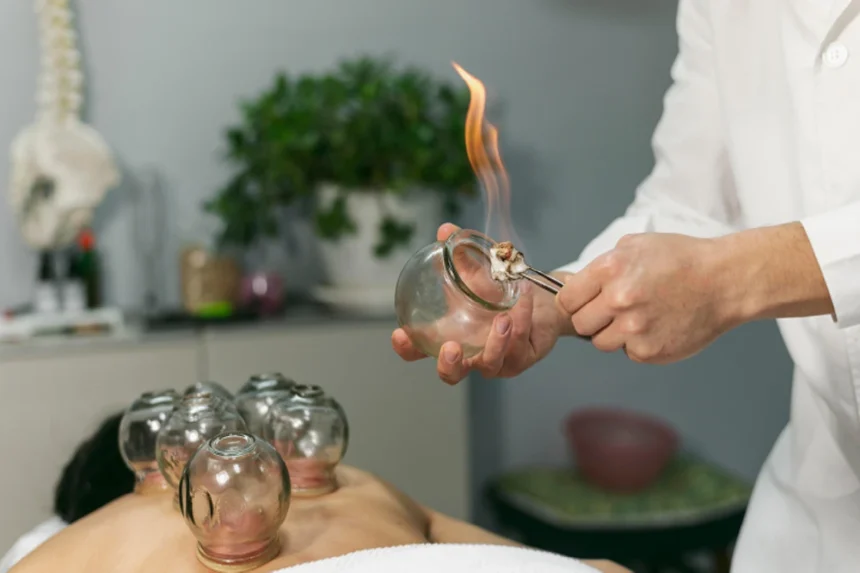
Most people picture one single technique when they hear cupping in Singapore mentioned, but TCM clinics generally offer several distinct variations suited to different presentations. Standard dry cupping uses suction alone and is the most commonly requested form, aimed at easing general muscle tension.
Comparing the Main Cupping Variations
| Type | What It Involves |
| Standard (dry) | Suction only, aimed at general muscle tension and circulation |
| Bloodletting (wet) | A light superficial puncture before suction, considered for heat or stagnation patterns |
| Yu Quan Guan | Stronger suction with added magnetic stimulation, often suited to overworked or chronically fatigued bodies |
What a Physician Checks Before Choosing a Technique
A consultation ahead of any cupping session looks at a patient’s symptoms, general constitution, and current health status, since not every technique suits every body. Pregnancy, active skin conditions, recent serious illness, or bleeding and heart-related conditions are all factors a physician weighs before deciding whether cupping is appropriate at all, and if so, which form.
Why Back Pain and Cupping Keep Getting Mentioned Together
Lower back discomfort is one of the presentations cupping is most commonly requested for, though a physician addressing back pain via TCM typically draws on several techniques together rather than relying on cupping in isolation. Understanding the pattern behind the pain shapes which combination gets used.
What TCM Considers Behind Persistent Back Pain
- Prolonged sitting, which TCM links to Qi and Blood stagnation from sustained load on the lower spine.
- Exposure to wind, cold, and dampness, often described as pain that feels heavy or worsens in cool, wet weather.
- Heavy lifting or occupational strain, particularly with poor lifting technique over time.
- Age-related changes, which TCM associates with a gradual decline in Kidney Jing and Essence.
How an Assessment for Back Pain Actually Unfolds
A physician typically reviews pain location, duration, and how it responds to movement, alongside pulse and tongue observation and a conversation about posture, work habits, and sleep. That picture, rather than the symptom alone, generally informs whether cupping, acupuncture, tuina, or a combination makes the most sense for a particular case.
What Reading the Marks Doesn’t Tell You
However informative a cupping mark might be as a general reference point, it isn’t a diagnosis on its own, and marks typically fade within a few days to two weeks regardless of what they initially showed. Any back pain that radiates toward the hips or legs is generally worth having assessed carefully, with further medical checks considered where appropriate.
Why Marks Appear in Different Colours on Different People
Two people receiving the same cupping session on the same day can end up with noticeably different marks, which reflects differing underlying patterns rather than inconsistent technique. A pale mark is generally associated with cold or dampness, a red mark with heat or increased circulation, and a dark purple mark with Qi stagnation or blood stasis, though the page is clear these readings are a general reference point rather than a diagnosis.
What Happens During a Typical Cupping Session
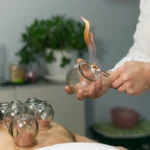
After the initial consultation, cups are placed on the chosen areas, and the suction creates a pulling or tight sensation that’s generally described as comfortable rather than painful. Once the cups are removed, the physician explains what the resulting marks suggest and goes through aftercare before the session ends.
What Aftercare Actually Involves
Waiting at least two to three hours before showering, using warm rather than hot water, and avoiding scrubbing the treated area are the main immediate steps. Avoiding cold exposure, air-conditioning drafts, and cold drinks shortly afterwards is also commonly advised, along with skipping heavy meals, alcohol, and intense physical activity on the same day.
How Often Sessions Tend to Be Spaced Out
Maintenance-style cupping is often done roughly once a week, or once previous marks have fully faded, while a more acute presentation may call for a tighter schedule in the short term. The exact pacing varies by condition and is something a physician adjusts as recovery progresses rather than fixing from the first visit.
Why a Combination Approach Is More Common Than Cupping Alone
Few physicians treat persistent back pain with cupping as a standalone measure. Acupuncture, tuina, moxibustion, and herbal support each address slightly different aspects of a presentation, and a physician typically draws on whichever combination fits the pattern identified during assessment rather than applying the same single technique to every case that walks through the door.
Curious whether cupping suits your particular pattern of back discomfort? Contact Liang Yi TCM to arrange an assessment.