




Herbal bathing during the confinement month is a long-established practice, and most of what goes wrong with it is practical rather than traditional. Preparation methods passed between family members become inconsistent, water temperature is judged by hand rather than measured, and nobody checks whether it is appropriate given how the birth went. Four mistakes come up repeatedly, and avoiding them makes the practice both safer and considerably more comfortable. Anything concerning your own recovery, particularly around wounds or stitches, should be checked with your doctor or midwife before beginning a confinement herbal bath.
Table of Contents
1. Starting Before Checking With a Doctor or Midwife
This is the step most commonly skipped and the one that matters most. Whether bathing of any kind is appropriate, and from what point, depends on how the birth went.
Caesarean recovery, perineal stitches, any wound, or any complication all affect what is advisable and when. A doctor or midwife can say when immersion or washing of a particular kind is appropriate for your situation, and that guidance takes precedence over any traditional schedule.
Raise it at your postnatal check rather than assuming, and mention specifically that you intend to use herbal preparations, since that is relevant to wound care advice.
2. Getting the Water Temperature Wrong
Temperature is judged by hand far more often than it is measured, and hands are unreliable, particularly for someone who is exhausted.
Water that is too hot carries a genuine scald risk, affects blood pressure, and can cause dizziness in someone who is already tired and recovering. Water that has cooled too much defeats the comfort the practice is meant to provide.
Use a thermometer rather than judgement, test before getting in rather than after, and have someone nearby for the first few occasions, since feeling faint while alone in a bathroom is a real risk during this period.
3. Inconsistent Preparation of the Herbs Themselves
Methods vary between families and suppliers, and preparation that is improvised produces inconsistent results.
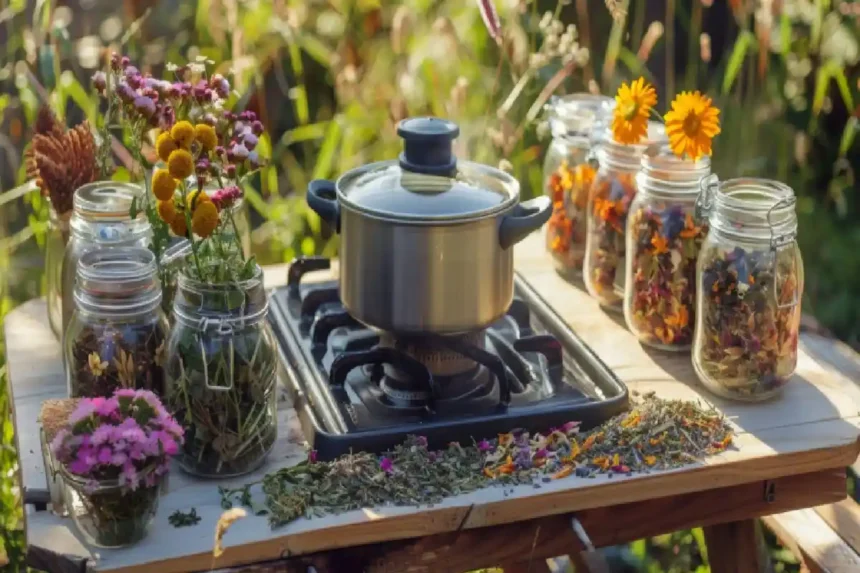
Follow the instructions supplied with the specific preparation you have rather than a remembered method, including the amount of water, how long to simmer, and whether the liquid is used neat or diluted. Strain properly, since plant material left in the water is both uncomfortable and difficult to clean up.
Ask the supplier what their preparation requires rather than assuming all blends are handled identically, since they are not.
4. Not Checking What Is Actually in the Preparation
Herbal preparations contain multiple ingredients, and knowing what they are matters, particularly for anyone breastfeeding, anyone with allergies, and anyone taking medication.
Ask for a full ingredient list, keep it, and mention it to your doctor if you have any concerns. Where you have any history of skin sensitivity, testing a small amount of the diluted preparation on a patch of skin before a full bath is sensible.
Stop and seek advice if you develop any skin reaction, dizziness, or unusual symptoms during or after a bath.
Setting Up the Practical Side Before You Need It
The period after birth is not when anyone wants to be working out logistics, so preparing beforehand helps considerably.
Have the preparation, a thermometer, towels, and somewhere warm to dress ready before you begin. Arrange for someone to be at home and reachable for the first few times. Keep sessions short initially rather than long, since fatigue arrives quickly during this period.
Nothing here is medical advice, and whether this practice suits your recovery depends entirely on your own circumstances as assessed by your doctor or midwife, who should be your first conversation rather than your last.
Contact 1TCM to discuss herbal preparations and what would suit your recovery after speaking with your doctor.