



The upcoming decade stares at us with a scalpel in its hand, ready to carve out possibilities that once seemed to drift on the fringes of science fiction. From head transplants to organ regeneration, the future of surgery promises to challenge our perceptions of what is scientifically feasible. As these technocratic advances burst onto the scene, they pledge a new standard in medical excellence, potentially altering the fabric of societies around the world.
Table of Contents
Robo-dominated Operating Rooms
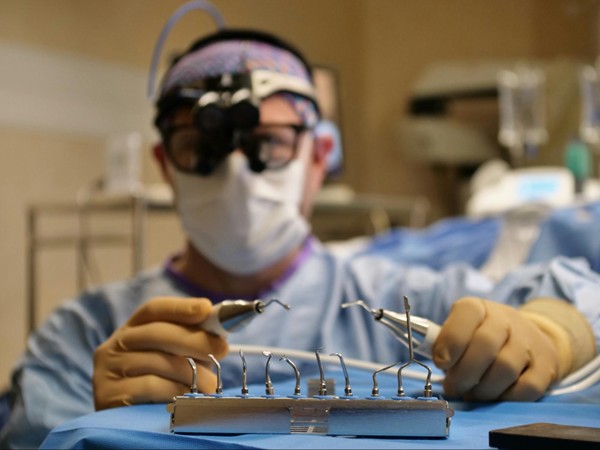
Picture this: an operating room where more robots than human hands perform surgical procedures. This is not a dream; it’s a vision standing at the precipice of reality. Automation in surgery will redefine precision, minimize human error, and give surgeons greater oversight of complex procedures than ever before. The next ten years are poised to witness robotic advancement challenging existing surgical norms, thus improving outcomes for patients entrenched in the need for care.
Robots bring consistency to procedures that once relied heavily on human precision but were subject to limitations. The ability to program intricate movements paves the way for more consistent outcomes, evidenced by the reduction in surgical missteps. As robots and artificial intelligence converge within the operating rooms, a new era beckons where human limitations are complemented, not overshadowed, by technological prowess.
Amid such technological marvels, attention to aesthetic surgeries has also evolved, particularly in urban medical centers. For those interested in facial transformations, the best facelift in the Bay Area exemplifies the harmonious blend of traditional techniques with the forefront of innovative advancements.
Harnessing the Power of AI
Dreading obsolete records and tedious paperwork? Artificial intelligence may well bring that nightmare to a close. Beyond administrative tasks, AI in surgeries will intelligently analyze vast data volumes, highlight anomalies, predict complications, and offer a prognostic view. As surgeons command multitasking capabilities, AI spreads its semantic wings, increasing the scope of forecasts and ensuring that every surgical call echoes confidence.
The harmonious fusion of AI and surgery propels predictive analytics to the forefront, offering surgeons the needed foresight to tailor treatments uniquely. This personalization equates to precision unmatched in previous decades, potentially abandoning trial-and-error methods in favor of evidence-driven practices rooted in AI intelligence.
Gene Editing: A Surgical Marvel
The CRISPR breakthrough may have appeared as if from nowhere, but its implications are resounding throughout the surgical field. As we charge into the future, gene editing will likely redefine what surgery means. Instead of traditional surgeries with scalpels, imagine “surgical” interventions at the genetic level, editing diseases before they manifest. The notion is ambitious yet achievable, heralding a new frontier where genetic makeovers become standard practice rather than rare exceptions.
Ethical considerations accompany this discipline, demanding discussions on genetic privacy and boundaries. As gene editing becomes more prominent, societies will need to frame regulatory measures to ensure it aligns with ethical postulations. The balance between wondrous scientific achievements and moral responsibility will be the cornerstone of gene-editing advancements.
Virtual Reality Takes Center Stage
No longer will surgeons need to bear the brunt of lengthy operations without respite. The miracle-like introduction of virtual reality into surgery invites immersive realities where procedures may first be simulated before being performed. Immersive tech not only facilitates enhanced training but also offers hope for patients, ensuring highly rehearsed, ultra-precise operations. By the time the photon clocks hit 2030, this immersive virtual fancy may become the gold standard.
The synergy between virtual reality and surgical training offers an unprecedented platform for innovation in skill acquisition. Younger surgeons, in particular, can leverage these simulations to perfect intricate skills, nurturing confidence before undertaking real-world procedures. This hands-on experience in a controlled environment promises to mitigate various risks inherent to conventional training methodologies.
Teleporting Telemedicine
Let’s acknowledge the radical shift telemedicine introduced, especially amid crises. Surgical appliances are wired for remote consultations, unconventional therapies, and checkups unshackled from geographical confines. As 2030 looms, long-distance surgeries — where a surgeon in New York commands a machine operating in Tokyo — might well be routine, echoing the boundless potential of remote medical breakthroughs.
The global access angle telemedicine introduces could diminish healthcare disparities, empowering clinicians to offer expertise across continents. Patients in underserved regions would gain unprecedented access to renowned medical professionals, emphasizing the democratic evolution of healthcare across varied socio-economic barriers.
Organ Cloning and Regeneration
The transplantation waiting list, a line many dread, may soon find itself obsolete if organ cloning and regeneration get their due. Science hurdles towards unprecedented milestones every day, and soon, the concept of creating organs in labs could become standard health protocol. Imagine regenerating tissues custom-made for a recipient’s anatomy. This medical Aladdin lamp reshapes the significance of hope in medical jargon forever.
Intricate studies in embryonic stem cells and tissue engineering continuously evolve, guiding the medical community toward the possibility of engineered organs. As these methodologies mature, society could witness a renaissance in regenerative medicine, supplanting dependence on donors with self-sustained organ production.
Final Thoughts
Onward marches the marriage between technology and surgery, fueling aspirations, igniting awe. While the challenges remain, the commitment to push boundaries is unwavering. Hopes rise as the dawn nears when healing becomes symphonic, and disparity fades into quiet history. Prepare to witness the dawn of a decade where futures are not only created but also enhance life journeys every day.