






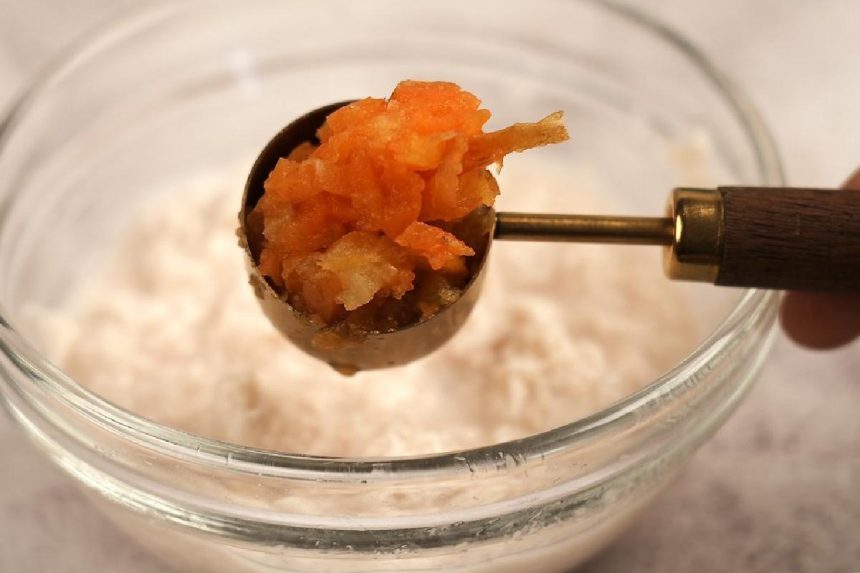
When Preparing Pureed Food
Pureed food can be an excellent solution for people with swallowing difficulties, those recovering from surgery, or anyone needing meals that are easier to eat while still being nutritious. While it may seem simple to blend food until smooth, there are several important considerations to ensure pureed meals are both safe and appealing. Many people make small but significant mistakes that can affect the taste, texture, and nutritional value of the final dish. Fortunately, with the right approach and the support of experts such as The Pure Food Co, preparing high-quality pureed meals doesn’t have to be difficult.
For millions of individuals living with dysphagia, recovering from oral surgery, or managing age-related chewing difficulties, the quality of a meal is not just a matter of taste—it is a matter of safety and dignity. As a health journalist, I have observed a recurring theme in clinical and home-care settings: the assumption that pureeing is merely a mechanical process of “breaking food down.”
In reality, transitioning to a texture-modified diet is a culinary science. When not done right, one suffers malnutrition and appetite fatigue. It will retain the pleasure of food when it is well done. To make caregivers and patients go through this, we should discuss the pitfalls to evade when preparing pureed food and adapting to the modern standards of nutrition.
Table of Contents
The Nutritional Stakes: Why It is not Just a Blending Thing.
Volume vs. density is the greatest limitation of pureed diets. When you prepare a normal meal and mix it, it may be required to add some liquid to get smooth texture. In case that liquid is water, you add more of the food and reduce the density of the nutrients. This is a weight loss and muscle wasting recipe to a patient who has a small appetite.
Mistake 1: The “Dilution” Trap
Many caregivers reach for the tap when a puree is too thick. This is one of the primary common mistakes to avoid when preparing pureed food. Water offers zero calories and zero protein.
The Professional Fix: Use “functional liquids.”
- For Savory: Use bone broth, gravy, or whole milk.
- For Sweet: Use full-fat yogurt, coconut milk, or fruit nectar.
Nutritional Density Comparison Table
Note: Based on adding 1/2 cup of liquid to a standard chicken breast.
| Liquid Added | Calories Added | Protein Added | Flavor Impact |
| Water | 0 kcal | 0g | Diluted/Bland |
| Chicken Broth | 15 kcal | 2g | Savory/Salty |
| Whole Milk | 75 kcal | 4g | Creamy/Rich |
| Heavy Cream | 400 kcal | 2.4g | Ultra-Rich/High Calorie |
Safety and the IDDSI Framework
The International Dysphagia Diet Standardisation Initiative (IDDSI), is the international standard of texture-modified dietary standards, in 2026. Level 4 (Pureed) is exclusively made to suit those individuals who are unable to chew and lack control over the tongue.
Mistake 2: Ignoring “Hidden” Textures
A common error is assuming a high-speed blender eliminates all risks. Fibrous foods like pineapple, celery, or even the skins of peas can leave behind microscopic strings. For someone with a swallowing disorder, these strings can trigger an aspiration event (where food enters the lungs).
- The Professional Fix: Always pass your puree through a fine-mesh sieve. If it doesn’t pass through easily, it isn’t smooth enough.
- Avoid “Sticky” Textures: Peanut butter or mashed potatoes can become “gluey” and stick to the roof of the mouth. Fold in a bit of melted butter or oil to improve “bolus slide.”
The Psychology of the Plate: Aesthetics and Presentation
We eat with our eyes long before the food touches our tongues. One of the most heartbreaking common mistakes to avoid when preparing pureed food is the “beige scoop” method—serving meat, starch, and vegetables blended together into one unidentifiable mass.
Mistake 3: The “All-in-One” Blend
Mixing a Sunday roast into one brown paste strips the diner of their autonomy and sensory recognition.
The Professional Fix: Layering and Molding
- Separate Pureeing: Process your protein, your greens, and your starches individually.
- Food Shapers: Use silicone food molds to reshape pureed carrots back into carrot shapes or pureed chicken back into a cutlet.
- Piping: Use a pastry bag to pipe pureed potatoes or peas onto the plate in attractive swirls.
Cost Analysis: Presentation Tools (USD/International Est.)
| Item | Purpose | Approx. Price (USA) | Approx. Price (UK) | Approx. Price (AUS) |
| Silicone Food Molds | Reshaping purees | $25 – $45 | £20 – £35 | $38 – $65 |
| High-Speed Blender | Achieving “Silky” texture | $150 – $400 | £120 – £320 | $220 – $600 |
| Fine Mesh Sieve | Safety/Straining | $10 – $20 | £8 – £15 | $15 – $30 |
| Food Thickeners | Consistency Control | $15/canister | £12/canister | $22/canister |
Seasoning for Muted Palates
Research suggests that as we age, or when food is processed into a puree, our perception of flavor can diminish. A common mistake is serving “hospital-bland” food.
Mistake 4: Under-Seasoning
- The Fix: Enhance flavors using “umami” boosters that don’t add texture.
- Soy sauce or Worcestershire sauce for meats.
- Nutritional yeast for a cheesy flavor without the clumpiness of melted cheese.
- Infused oils (garlic or lemon oil) to provide aroma and healthy fats.
Logistics: Batch Cooking and Food Safety
Preparing fresh purees three times a day is exhausting for caregivers. However, improper storage is among the dangerous common mistakes to avoid when preparing pureed food.
Mistake 5: Poor Storage and Reheating
Pureed food has more surface area exposed to the air, making it a playground for bacteria if not handled correctly.
- Cooling: Never let pureed food sit at room temperature. Cool it rapidly in an ice bath before refrigerating.
- Freezing: Use silicone ice cube trays to freeze purees into small portions. Once frozen, transfer to airtight bags. This allows you to “mix and match” meals easily.
- Reheating: When reheating, ensure the food reaches an internal temperature of 165°F (74°C). If the puree thins out during heating, you may need to stir in a small amount of thickener.
The Role of Professional Solutions: The Pure Food Co and Others
For many families, the mental load of calculating protein grams and testing IDDSI levels is overwhelming. This is where specialized services come in. Firms such as The Pure Food Co (active in New Zealand and Australia) and other medical-grade meal delivery firms in the US and UK offer nutritionally fortified, pre-made, and IDDSI-mapped meals.
By accessing these services, caregivers are likely to be able to steer clear of the pitfalls that they usually commit when preparing pureed food because they will have an example of a gold standard against which they can compare their home-cooked food.
Conclusion
With the new era in medical technology, our practice in dysphagia should shift to survival to satisfaction. By shunning the pitfalls which must be watched against when making pureed food, we consider the food not only as a medical imperative, but as a crown of the day.
A puree is a change in culinary, whether you are a professional cook in an aged-care facility of a daughter looking after her father at home. One can do it with the right tools, such as high-speed blenders or silicone molds.