






Why Patient Engagement Matters. Healthcare has evolved significantly over the past decade. Instead of a system where doctors simply prescribe treatments, modern healthcare encourages patients to actively participate in their care.
This concept is known as patient engagement.
When patients understand their health conditions, communicate openly with healthcare providers, and participate in decision-making, the results are often better health outcomes and improved patient satisfaction.
In this article, we will explore why patient engagement matters and simple strategies healthcare providers can use to improve it.
Table of Contents
What is Patient Engagement?
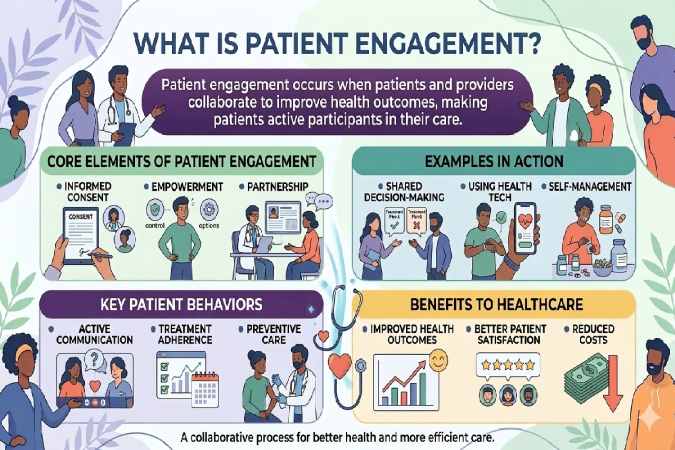
Patient engagement refers to the active involvement of patients in managing their own health and healthcare decisions.
It includes activities such as:
- Understanding medical conditions
- Following treatment plans
- Communicating with healthcare providers
- Participating in preventive care
- Using healthcare technology tools
When patients are engaged, they become partners in their healthcare journey rather than passive recipients of care.
Healthcare systems around the world increasingly prioritize patient engagement because it improves care quality and long-term health outcomes.
Why Patient Engagement Matters in Healthcare
Patient engagement is not just a trend. It plays a critical role in improving healthcare quality and efficiency.
Improved Health Outcomes
Engaged patients are more likely to:
- Follow medical advice
- Monitor symptoms
- Adopt healthier lifestyles
These behaviors often lead to better disease management and faster recovery.
When patients actively communicate with their healthcare providers, potential health issues can also be identified earlier.
Better Treatment Adherence
One of the biggest challenges in healthcare is patients not following treatment plans.
Patients who understand their diagnosis and treatment options are far more likely to follow medical instructions and medication schedules.
Better adherence leads to:
- Reduced complications
- Fewer hospital readmissions
- More effective treatments
Higher Patient Satisfaction
When patients feel heard and involved in their care, they report higher levels of satisfaction.
Engagement builds trust between patients and healthcare providers, creating stronger relationships and better communication.
Reduced Healthcare Costs
Patient engagement can also reduce healthcare expenses.
Engaged patients are less likely to:
- Require emergency care
- Experience avoidable complications
- Have repeated hospital visits
This ultimately lowers the overall cost of healthcare systems.
Benefits of Strong Patient Engagement
Patient engagement benefits both patients and healthcare providers.
Better Communication
Effective communication improves trust and ensures that patients clearly understand their diagnosis and treatment options.
When communication improves, patients feel more confident in managing their health.
Preventive Care Participation
Engaged patients are more likely to participate in preventive care activities such as:
- Vaccinations
- Health screenings
- Routine checkups
Preventive care reduces the risk of serious illnesses.
Improved Safety and Fewer Medical Errors
Engaged patients often act as an additional safety layer in healthcare.
They can verify medications, ask questions about procedures, and report unusual symptoms early.
This helps reduce medical errors and improves patient safety.
Simple Strategies to Improve Patient Engagement
Healthcare providers can implement several practical strategies to encourage patient participation.
Build Trust With Patients
Trust is the foundation of patient engagement.
Patients who trust their healthcare providers are more likely to share concerns, ask questions, and follow treatment recommendations.
Providers can build trust by:
- Listening carefully
- Showing empathy
- Providing clear explanations
- Respecting patient preferences
Improve Health Literacy
Health literacy refers to a patient’s ability to understand medical information.
Healthcare providers should:
- Avoid complex medical jargon
- Use simple language
- Provide visual aids such as charts or diagrams
Clear communication helps patients understand their condition and treatment options.
Encourage Two-Way Communication
Patient engagement is a two-way process.
Patients should feel comfortable asking questions and sharing concerns.
Healthcare providers can encourage communication by:
- Asking open-ended questions
- Providing follow-up opportunities
- Offering multiple communication channels
Use Digital Health Tools
Technology has become an important tool for improving patient engagement.
Common digital solutions include:
- Patient portals
- Mobile health apps
- Online appointment scheduling
- Secure messaging platforms
These tools allow patients to access information and communicate with providers more easily.
Send Appointment and Medication Reminders
Missed appointments and medication non-adherence are common healthcare problems.
Automated reminders through SMS, email, or apps can help patients stay on track with their care plans.
Personalize Patient Care
Every patient has unique health needs and preferences.
Personalizing care can include:
- Tailored treatment plans
- Customized educational materials
- Individual health goals
Personalized care helps patients feel valued and understood.
Involve Family Members and Caregivers
Family members often play a critical role in supporting patients.
Encouraging caregiver involvement can improve treatment adherence and emotional support.
Collect Patient Feedback
Patient feedback provides valuable insights into improving healthcare services.
Healthcare organizations can gather feedback through:
- Surveys
- Online reviews
- Follow-up calls
This information helps providers identify areas for improvement.
The Role of Technology in Patient Engagement
Technology has transformed the way patients interact with healthcare providers.
Patient Portals
Patient portals allow individuals to:
- View medical records
- Schedule appointments
- Communicate with doctors
- Access lab results
These platforms empower patients to manage their healthcare more effectively.
Telehealth
Telehealth services enable patients to consult healthcare providers remotely.
This is especially beneficial for:
- Rural populations
- Patients with mobility challenges
- Follow-up appointments
Remote Monitoring Devices
Devices such as wearable health monitors allow providers to track patient health data in real time.
These tools are particularly useful for managing chronic conditions like diabetes or hypertension.
Mobile Health Apps
Health apps help patients track:
- Physical activity
- Medication schedules
- Vital signs
- Diet and nutrition
These apps encourage patients to stay engaged in their daily health routines.
How to Measure Patient Engagement
Healthcare organizations should track engagement to understand whether their strategies are effective.
Common metrics include:
Patient Satisfaction Scores
Surveys measure patient experiences and satisfaction levels.
Treatment Adherence Rates
Tracking whether patients follow treatment plans helps assess engagement levels.
Appointment Attendance
Reduced no-show rates often indicate improved engagement.
Patient Portal Usage
Monitoring portal usage provides insights into digital engagement.
Common Barriers to Patient Engagement
Despite its benefits, several challenges can limit patient engagement.
Low Health Literacy
Patients may struggle to understand complex medical information.
Limited Access to Technology
Not all patients have access to smartphones, computers, or internet services.
Communication Gaps
Poor communication between providers and patients can lead to misunderstandings and reduced engagement.
Real-World Examples of Patient Engagement
Many healthcare organizations successfully improve engagement through simple initiatives.
Examples include:
- Sending automated appointment reminders
- Providing online patient education resources
- Offering telehealth consultations
- Creating patient support groups
These strategies help patients feel supported throughout their healthcare journey.
Conclusion
Patient engagement is one of the most important components of modern healthcare.
When patients actively participate in their care, the results include:
- Better health outcomes
- Improved patient satisfaction
- Reduced healthcare costs
- Stronger relationships between patients and providers
Healthcare organizations that invest in patient engagement strategies can deliver more effective, patient-centered care.
By focusing on communication, education, and technology, providers can create healthcare systems that empower patients and improve overall health outcomes.