






Table of Contents
What Is the Difference Between an Optician, Optometrist and Ophthalmologist?
Your eyes are one of the precious, important components of your body; thus, it is very important to keep your eyes healthy and see a specialist should you find any changes or concerns pertaining to your eyes or vision.
Being so important to the body, it shouldn’t be a surprise that several types of eye care professionals are out there, such as optometrists, ophthalmologists, and opticians.
But what’s the difference between these professions, and who should you seek out when a situation arises? Here is a more detailed breakdown of these three eye care professions.
Optometrist
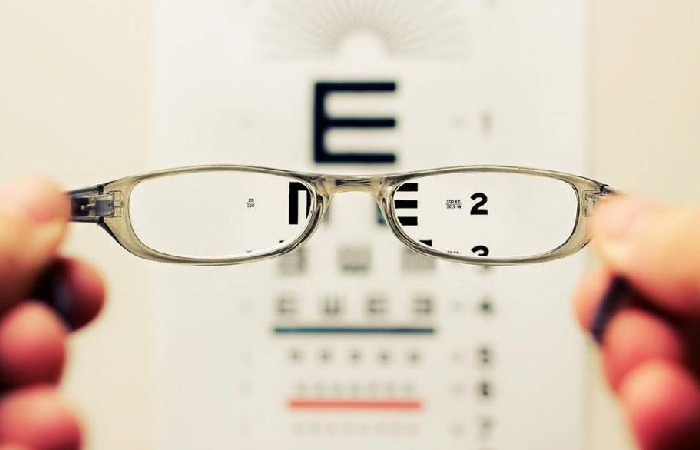
An optometrist is your primary healthcare specialist for the eyes. An optometrist is able to examine your eyes for any vision problems, injury or scratches, general eye health, and other ocular conditions.
An optometrist’s role can vary quite a bit and can include vision evaluations, eye exams, writing out prescriptions, as well as referring patients to other healthcare experts for further treatment. They also assist in preoperative and postoperative care when external eye procedures have taken place.
If you’re watching for an optometrist in Vancouver BC, any necessary eye tests will likely be partially or fully covered under the Medical Services Plan.
Your eyes are one of the most valuable and significant parts of your body, it is, therefore, highly essential to maintain your eyes healthy and visit a specialist in case you notice any alterations or issues related to your eyes or vision.
As significant to the body as it is it is not surprising that there are a number of different varieties of eye care professionals available including optometrists, ophthalmologists and opticians.
But what is the difference between these professions and who do you want to approach whenever a situation arises? This is a further disaggregation of these three eye care professions.
Optometrist
An optometrist is your specialist as far as the eyes are concerned. Whatever the vision issue, eye injury, or scratch, overall eye well-being, an optometrist can test your eyes.
The job of an optometrist may differ very much and may involve the assessment of sight, eye screening, prescription of medicines, and even referring clients to other medical specialists to treat them. They also help in the preoperative and postoperative care in the event that external eye procedures are conducted.
Ophthalmologists
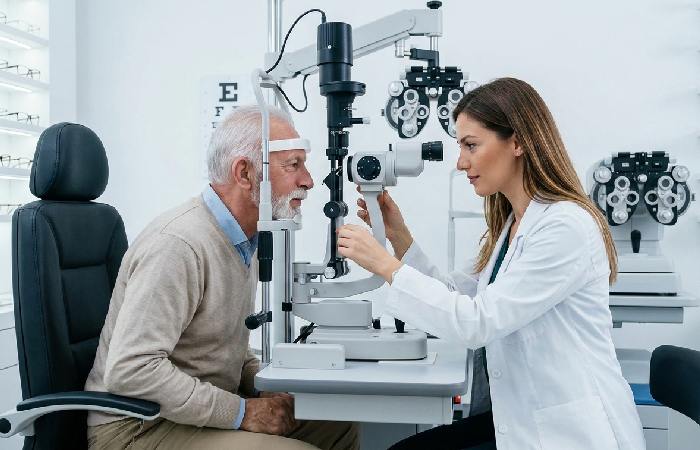
Ophthalmologists are medical eye care doctors who carry out surgical procedures that are required on the eyes. They prescribe osteopathic medicines and are allowed to be not only the surgeon also the physician. Ophthalmologists are able to work in the area of scientific research, carry out surgeries and treat disease due to their comprehensive training.
Ophthalmologists are trained doctors who medically diagnose all matters that pertain to the eyes and vision and they even collaborate with optometrists who might be the first to identify a problem within the eye.
A more basic way of considering it is that even though optometrists are healthcare technicians, they are not doctors and will refer you to an ophthalmologist most of the time.
To illustrate, in case a patient had cataracts which is a condition whereby the eye might develop cloudy spots that will result into vision problems, then an optometrist would be able to diagnose the situation, offer glasses or other ailments that alleviate the symptoms, and any after or before any surgical operation. Nonetheless, to have the actual surgery to correct the condition, an individual would probably have to visit an ophthalmologist.
Opticians
An optician is a man who literally hands out your eyewear prescription such as glasses and contact Lenses. The opticians undertake activities like repair of eyeglasses, repairing the frames, measurement of the face and ensuring that your glasses and contacts are in a good working condition.
Opticians are non-medical physicians who are unable to write their own new prescriptions, but they can assist you in facilitating with an optometrist or ophthalmologist should they be connected to any of these specialists.
Opticians are likely to be found in separate eyewear retail outlets and in supermarket or grocery store departments..
Comparison Chart: Key Differences
| Aspect | Optician | Optometrist | Ophthalmologist |
| Education | 1-2 yrs cert | 8 yrs (OD) | 12-15 yrs (MD) |
| Eye Exams | No | Yes | Yes |
| Prescriptions | No | Yes (glasses/meds) | Yes (all) |
| Diagnose Diseases | No | Basic | Advanced |
| Surgery | No | No | Yes (e.g., LASIK) |
| Avg Cost (Exam) | N/A | $100-200 | $150-300 |
| See For | Glasses fit | Routine check | Surgery/urgent |
Conclusion
As could be observed, though the three eye care professions may differ in their ability, they are closely intertwined with each other, as in the case where an optometrist refers you to the medical care of an ophthalmologist and then finally, the frontline optician offers you your required eyewear