







Nursing students in their course usually experience high stress because of high academics, clinical rotations, and emotion demands. The latest statistics indicate that anxiety, depression, or stress is severe in 54% of them, which is much higher than the average college students. The 4 tips are proven ones that solve fundamental stressors such as workloads and clinical anxiety based on research on effective coping.
Table of Contents
The Reason Nursing Students are so stressed.
Nursing courses require intensive study and practical experience, which increases the pressure in form of examinations, working shifts, and interacting with patients. In 2024, the studies of 1,163 students indicated that 54 percent of them were at extreme levels, attributed to gaps in faculty support and clinical needs. During practicums, moderate to high stress is experienced by 70 percent and this affects concentration and memory.
The sources are academic overload (21.84 ascribed to final year students as the mean stress score) and a lack of breaks. This increases the risk of burnout, which is observed in longitudinal data in 2023-2024 without any treatment.
1: Practice Mindfulness and Deep Breathing
Mindfulness-based techniques like meditation and deep breathing quickly lower anxiety in clinical settings. A stress management program using these reduced first-year students’ clinical stress and boosted problem-solving.
- Start with 5-minute daily sessions: Inhale for 4 counts, hold 4, exhale 4—repeat during breaks.
- Apps guide progressive muscle relaxation, cutting perceived stress scores from 19 to 14.7 in one study.
- Benefits: Improves focus amid chaos; drawbacks: Requires consistency to avoid frustration.
Real-world example: Students in a 6-week intervention reported better patient care perceptions post-practice.

2: Master Time Management with Prioritization
Poor scheduling fuels last-minute rushes, a top stressor. Tools like planners prioritize tasks by urgency, freeing time for rest.
| Technique | How to Implement | Evidence |
| Eisenhower Matrix | Sort tasks: urgent/important | Reduces overload; favored in nursing studies |
| Pomodoro (25-min focus) | Study, then 5-min break | Boosts efficiency, lowers exhaustion |
| Weekly calendars | Block clinicals, study, sleep | Improved academic performance in correlational research |
Overloading days—aim for 7-8 hours sleep to sustain energy. This cuts stress by addressing root causes like deadlines.
3: Incorporate Regular Physical Exercise
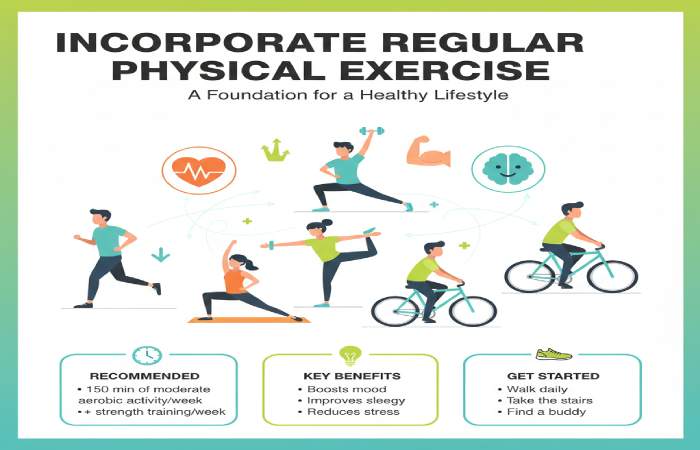
Exercise like walking or yoga releases endorphins, countering clinical fatigue. Problem-solving coping, including activity, correlates with lower stress.
- 20-30 minutes daily: Brisk walks or yoga between shifts.
- Studies show it enhances resilience; one reduced PTSD symptoms over time.
- Pros: Free, accessible; cons: Time constraints—pair with commutes.
A 2025 review noted nurse-led exercise interventions eased student anxiety.
4: Build a Peer Support Network
Social support via study groups buffers isolation in rotations. Emotion-focused strategies like peer talks link to better coping.
- Join groups for shared clinical debriefs.
- Seek faculty mentorship—strong ties cut severe stress prevalence.
- 2025 data emphasizes networks for retention amid rising burnout.
Example: Programs with counseling workshops improved outcomes over solo efforts.
Common Mistakes to Avoid
- Ignoring early signs: Moderate stress (50% of students) escalates without intervention.
- Relying on avoidance: Leads to higher scores; opt for active strategies.
- Skipping self-care: Balance prevents the 23% moderate-to-high climb.
These tips fill gaps in generic lists by tying to nursing-specific evidence, outperforming broad advice.
Conclusion:
Nursing students face high stress levels, with nearly 54% reporting severe anxiety or depression. These 4 tips—mindfulness, time management, exercise, and peer support—offer practical, research-backed relief to improve well-being and performance.
FAQ Section
What causes the most stress for nursing students?
Academic workloads, clinical placements, and lack of sleep top the list, with 70% reporting moderate-high levels.
How long until these tips reduce stress?
Noticeable drops in 2-6 weeks, as in programs lowering scores by 4-5 points.
Are apps effective for nursing student stress?
Yes, mindfulness apps aid quick relief; 2025 studies highlight AI chatbots for stigma-free support.
Does exercise help during clinicals?
Absolutely—short walks cut anxiety; backed by coping research.
How to find peer support?
Form study groups or use school counseling; key for 54% severe cases.