






Table of Contents
Mobility Scooters Enhance Quality of Life for Adults
Mobility scooters significantly enhance quality of life for adults facing mobility challenges, such as arthritis, post-stroke recovery, or age-related decline, by restoring independence and enabling daily activities.
These battery-powered devices (3–4 wheels, speeds up to 6–10 km/h) replace walking for longer distances, reducing fatigue and pain while supporting up to 150–250 kg.
- Independence boost: 74% of users report making trips they couldn’t otherwise, like shopping or park visits, replacing cars for short errands.
- Social engagement: Easier community outings combat isolation; seniors maintain routines, mood, and wellbeing.
- Physical relief: Less strain on joints; 4-wheel models offer stability for uneven terrain, long battery life (20–50 km).
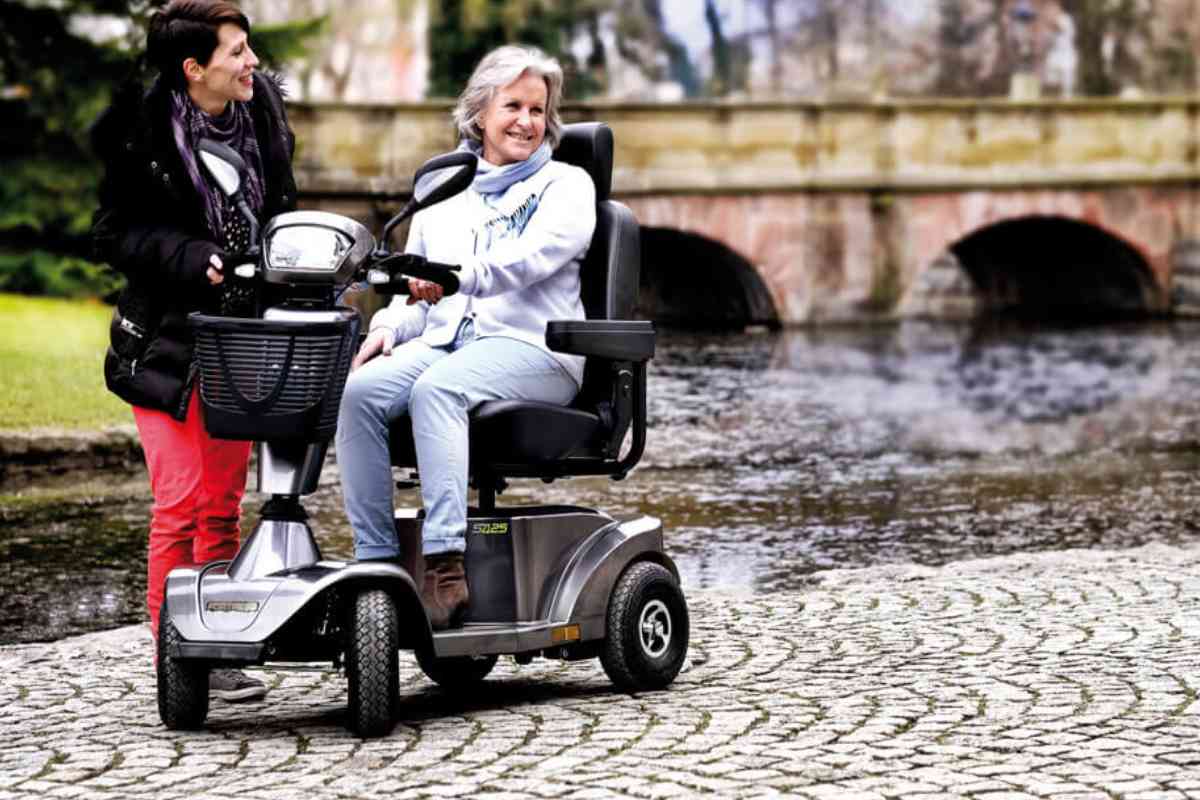
This four-wheel electric scooter exemplifies senior-friendly design with ergonomic seats, baskets, and stability for daily use, promoting active lifestyles.
Evidence from Studies
A 2015 review found scooters extend activity participation without major deconditioning risks if users retain some walking ability; satisfaction stems from comfort and ease over wheelchairs. Consumer Reports notes 40% of 65+ adults benefit, with compact models suiting indoors/outdoors.
Considerations
Balance scooters with walking aids to preserve function; check weight capacity, terrain needs (e.g., off-road for parks). In India, models from 1800Wheelchair or local suppliers cost ₹50k–2 lakhs, with Medicare-like schemes possible.
Overall, they empower fuller lives—users feel “mobile again,” prioritizing freedom over minor cons like storage.
Three Reasons why Older Adults need Mobility Assistance
Stability Issues and Increased Fall-Risk
Although elderly persons may be reluctant, mobility assistance is necessary for people with declining mobility functions. To begin with, older adults who face stability issues are at risk for dangerous falls. They may feel unstable when walking or performing daily activities. As our bodies age, our bones become weaker, losing important density. This loss of bone density can cause balance and stability issues to present.
Social Implications
In addition to an increased risk for falls, older adults experiencing limited mobility may feel like life is passing them by. People experiencing limitations in moving around may shy away from social activities or events, to avoid embarrassment. As a result, they may miss important family gatherings or events.
Aware of their physical limitations, older adults often feel shy or uncomfortable asking other people to help them move. Over time, the implications of limited mobility can take a serious toll on the mental health and life satisfaction of elderly persons. Also, elderly people that are experiencing stability concerns may fear falls. As such, they may choose to stay home frequently, also leading to poor mental health outcomes.
Elderly Tire Easily
Getting old can be exhausting! As we age, our bodies are not as quick and agile as they once were. For the elderly that are struggling to move around, even simple tasks like a short walk can be strenuous. The enhanced strain can cause them to tire easily, as their bodies work hard to compensate. This exhaustion can be defeating.
How Scooters can Enhance Quality of Life
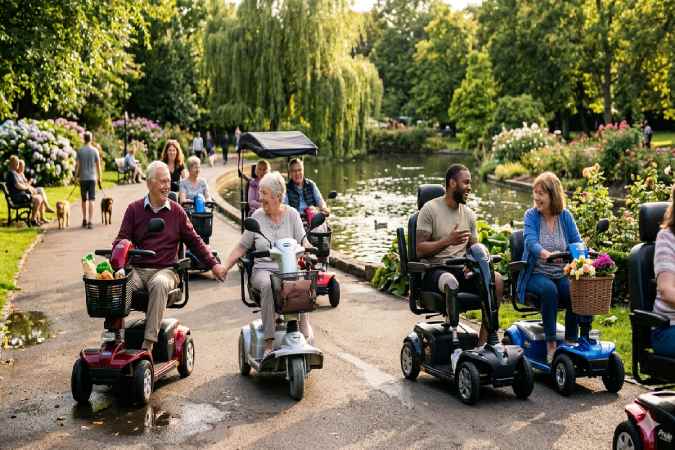
Mobility scooters offer a wonderful solution for the elderly experiencing physical limitations. Using a scooter can greatly improve the quality of life in elderly persons by addressing the three reasons mentioned above. First, owning a mobility scooter gives an elderly person a new outlook on life. A mobility scooter helps regain a feeling of independence, allowing users to ride around without the assistance of other people. This independence plays a critical role in the overall mood, demeanor, and mental well-being of older adults. A simple electric mobility scooter can offer freedom to run errands, take a stroll through the park, or visit family or friends.
Over the past decade, mobility scooter technologies have made significant strides. No matter what your needs require, there is a mobility scooter option that offers safe riding for any type of rider. Mobility scooters are available in three-wheel, four-wheel, and travel-friendly options. In addition, many scooters are made to be simple and easy to use, with the specific needs of the elderly in mind.
Not only does a scooter enhance independence, but it allows the elderly to stay present and active in their lives. No longer will they need to stay home or miss out on important life events like parties or birthdays. In addition, scooters help limit the chance of dangerous falls from instability.
What is the Average Life of a Mobility Scooter?
The average lifespan of a mobility scooter is 5 to 10 years with proper maintenance, though this varies by model quality, usage frequency, and care.
Lifespan Breakdown
Premium scooters from brands like Pride Mobility or Golden Technologies often hit 7–10+ years, while budget models last 3–5 years under regular use.
| Scooter Type | Average Life | Key Factors |
| Entry-Level | 2–5 years | Light indoor use; basic batteries |
| Mid-Range | 5–8 years | Daily errands; AGM/gel batteries |
| High-End | 8–10+ years | Heavy-duty; lithium-ion option |
Batteries wear fastest: 18–24 months (daily) or 3–4 years (infrequent) for lead-acid/AGM; lithium lasts 4–5+ years.
What Affects Longevity
- Usage: Daily outdoor rough terrain accelerates wear vs. indoor smoothness.
- Maintenance: Regular tire checks, full charges (avoid deep discharge), cleaning prevent 30–50% of failures.
- Environment: Rain/rust shortens frame life; store indoors.
- Weight/Terrain: Staying under capacity (e.g., 135–250 kg) preserves motors.
Pro Tips: Charge after every use, inspect monthly, replace batteries proactively. Well-kept scooters outlive expectations, supporting independence for years in places like Kukatpally markets or parks. Signs to replace: Frequent breakdowns, weak range (<50% original), or repair costs >50% new price.
Best mobility scooter brands for longevity
Top brands for mobility scooter longevity prioritize durable frames, reliable motors, and long-lasting batteries, often delivering 7–12+ years of service with proper care.
Best Brands Ranked by Durability
These stand out based on user reviews, warranty length (2–5 years), and low breakdown rates.
| Brand | Lifespan Expectancy | Standout Features |
| Afikim (Afiscooter) | 10–15 years | 40+ years expertise; rugged frames handle rough terrain; up to 50km range (e.g., Afiscooter 4). Top pick for heavy use. |
| Golden Technologies | 8–12 years | Premium suspension, ergonomic seats; Buzzaround EX series excels indoors/outdoors with minimal repairs. |
| Pride Mobility | 7–10 years | Industry leader; Jazzy Passport folds easily, lithium batteries last 4–5 years; strong customer support. |
| Shoprider | 6–10 years | Highest reliability ratings (4.8/5); Sprinter XL4/Enduro XL3 for stability; 5+ years routine maintenance. |
| Merits Health | 7–10 years | Affordable durability; Silverado Extreme (9.6 mph, full suspension); great value for Indian markets. |
Why They Excel
- Build Quality: Powder-coated steel/aluminum resists rust; IP-rated motors/seals for rain.
- Battery Tech: Lithium-ion (vs. lead-acid) doubles life (4–5 years, 30–50km/charge).
- Warranty Proof: Longer coverage signals confidence (e.g., Afikim’s 3–5 years frame).
India Availability (Kukatpally-relevant): Shoprider/Merits via Amazon/Flipkart (₹60k–2L); Pride/Golden at Apollo Medical stores or Wheelchair Experts Hyderabad. Check service centers—local warranties save hassle. Opt for 4-wheel stability for longevity on uneven roads.
Conclusion
Maintain quality of life as you age with a mobility scooter. Mobility scooters enhance independence and limit falls, leading to happier, healthier older adults.