




Stress can show up in unexpected ways. Along with affecting sleep, mood, and energy levels, ongoing stress may influence how the skin looks and feels. That connection has encouraged many people to make skin care part of their wider self-care routines.
Microneedling is primarily an aesthetic skin treatment, not a treatment for psychological stress. However, scheduling time for professional skin care and doing something focused entirely on yourself may provide a welcome break from a demanding routine.
Table of Contents
What Does Microneedling Actually Do?
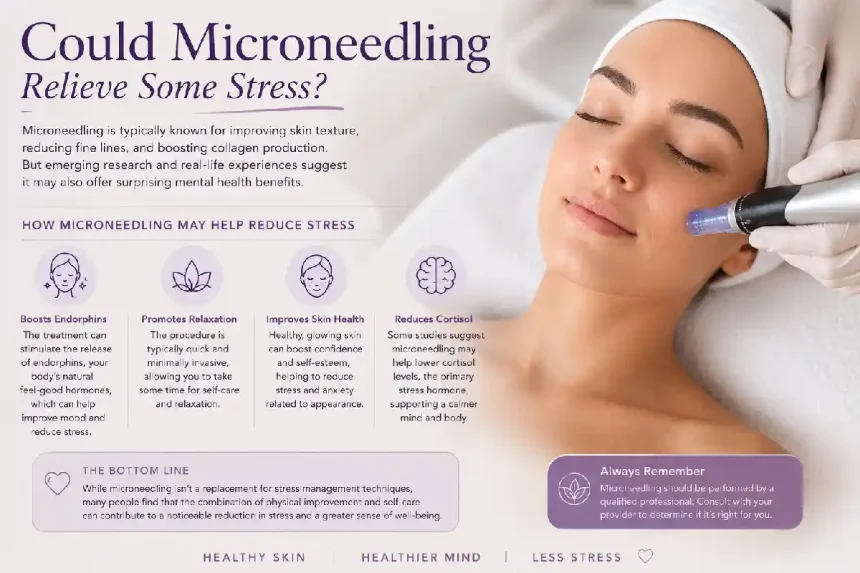
Microneedling involves creating controlled micro-injuries in the skin using very small needles. The process is intended to stimulate the skin’s natural healing response and support collagen production. The SkinPen® microneedling treatment at dermani MEDSPA® addresses concerns such as acne scars, surgical scars, fine lines, wrinkles, and uneven skin texture. The provider states that appointments typically last around 30 to 45 minutes and involve the application of numbing cream beforehand.
The important distinction is that these benefits relate to the skin. Microneedling itself should not be viewed as a medical treatment for stress or anxiety.
Where Does Stress Relief Come Into It?
Although microneedling does not directly treat stress, the experience surrounding professional skin care may have an indirect benefit. A busy lifestyle can leave little room for activities that are focused on personal well-being. Setting aside an appointment creates a defined period when work, household responsibilities, and other demands are temporarily put to one side.
There is also some evidence that skin care routines can contribute to feelings of emotional well-being and provide a sense of control. However, this should not be confused with evidence that microneedling itself reduces stress.
Feeling Better About Your Skin May Help
Stress and appearance can sometimes form an uncomfortable cycle. Someone experiencing a breakout or concerned about acne scarring may become more self-conscious, which can add another worry to an already stressful period. Microneedling is commonly used for aesthetic concerns involving skin texture and scarring. If a person feels happier with the appearance of their skin following treatment, that may contribute to greater confidence. Results vary, though, and aesthetic improvements should never be presented as a guaranteed route to emotional well-being.
Make the Appointment Part of a Self-Care Routine
The wider experience may be where the greatest opportunity for relaxation lies. Instead of rushing to an appointment between other commitments, consider leaving some free time around it. You might avoid scheduling demanding errands immediately afterwards, spend the rest of the day taking things easy, or simply use the appointment as a reminder to pay more attention to your personal needs.
Following professional aftercare instructions is also important. You may experience a sensation similar to a mild sunburn after SkinPen® microneedling, so listening to their aftercare advice can help you handle any symptoms.
Know What Microneedling Cannot Do
It is useful to keep expectations realistic. Microneedling is a cosmetic procedure designed to address certain skin concerns. It is not a substitute for appropriate mental health care, stress-management strategies, sufficient sleep, exercise, or medical advice when stress becomes persistent or difficult to manage.
Still, self-care can take many forms. For someone already interested in improving their skin, a professional microneedling appointment may provide both an aesthetic treatment and a scheduled opportunity to focus on themselves. That combination might make the experience feel restorative, even if the procedure itself is not a stress treatment.