






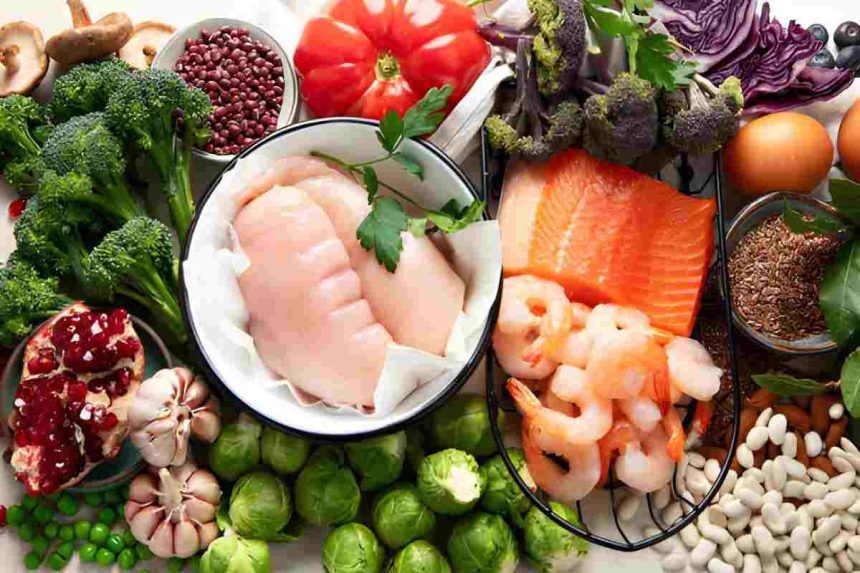
High-Protein Eating Supports Balanced. Oh no. It’s happened again. You sat down for a meal, thinking it would be enough to get you through the next chunk of your day. But it hasn’t even been two hours since you finished, and your stomach is growling again. What gives?
Think back to what you ate. Maybe you didn’t get enough protein or skipped it altogether. Now your body has burned through the carbs and may be coming down from an initial blood sugar spike. It’s not that all carbs are inherently bad, but you need a more balanced meal.
High-protein eating can help balance out the nutrients while keeping you feeling satisfied for longer. There are several science-backed reasons for this. Let’s explore them below.
Table of Contents
Influences Hunger-Related Hormones
The foods you eat can influence your body’s processes, from hormones to digestion. It’s the hormones influenced by protein that play a role in how soon you feel hungry after eating a meal. When you consume protein, it promotes the release of certain hormones while suppressing others.
The ones that tell your body and brain you’re full are released, while the hormone that says you’re hungry gets suppressed. The best high-protein recipes combine the nutrients with fiber to maximize the full feeling. Both fiber and protein take longer for your system to digest. Slowing down this process is part of the reason you stay satisfied after eating an omelet with whole-grain toast and avocado.
At the same time, protein releases hormones like GLP-1 and suppresses ghrelin. The first tells you to stop eating, while the second tells you to pick up your fork again. It doesn’t matter whether you’ve consumed enough calories. Which hormones your body is being triggered to release can have greater sway over your appetite.
Prevents Blood Sugar Spikes
Candy may be sweet, but it’s not going to keep you full for long. The sugar is absorbed by your bloodstream fast. It’s what causes you to get a quick pick-me-up, followed by a big letdown. One minute you’re buzzing with excitement and energy, and the next you’re craving a nap.
Eating protein doesn’t have this effect. Instead, your blood sugar stays steady. Any sugars get absorbed more slowly, which helps prevent the sudden highs and lows. When your blood sugar remains stable, it also curbs the cravings for more sugar or simple carbs. You’re not caught in an endless cycle of snacking to keep your energy pumped.
When you combine high-protein foods with carbs and healthy fats, you can negate the effects of the glucose absorption from carbs. Complex carbs aren’t as problematic as simple ones since complex versions usually contain fiber. But if you’ve got the urge to eat a slice of apple pie, try pairing it with a piece of slightly melted cheese next time.
Balances the Scales
If you only ate from one food group, you’d probably develop nutritional deficiencies. You wouldn’t get enough of critical vitamins and minerals, including iron and B12. Symptoms of these deficiencies would eventually surface, such as extreme fatigue and neuropathy.
High-protein eating helps balance what’s on your plate, in addition to the vitamins and minerals your body gets. The goal isn’t to eat only protein; it’s to ensure you’re combining it with complex carbs and healthy fats. You don’t have to be a carnivore to up your protein intake, either.
Plant-based sources of protein, including nuts, lentils, and soy, can be just as beneficial as meat. If you’re a vegetarian, adding egg whites and dairy products to your meals also provides protein. This nutrient can eventually help balance your scale because it comes with a thermic effect. It takes additional energy for your system to process protein, making it an effective tool for weight management.
Improves Taste
Rich desserts aren’t just satisfying because they contain sugar. It’s the depth of the flavors and fat content. Foods with a lot of protein can have the same effect. Your tastebuds and brain receive satisfying signals that you’re eating something flavorful and satiating.
It’s why peanut butter improves the taste of whole-grain toast. A spoonful of plain, Greek yogurt feels like you’re treating yourself. And some people enjoy the rich taste of adding sirloin or salmon to their salads. When a meal has added flavor, it’s more appetizing, and you’re less likely to not consume enough of what you should.
You’ve probably experienced cooking a meal you thought was going to taste great. When you tried to eat it, you found out it wasn’t for you. In many cases, you may have lost your appetite, going hungry instead of getting the nutrition you need. Finding protein sources you like can open up possibilities for new food combinations and novel ways of making mealtimes more satisfying.
High-Protein Nutrition
Limiting your food intake can compromise your health and appetite. Adding sufficient protein to your meals promotes fullness, supports weight management, and improves flavor. There are enough versions of protein to cover the spectrum of dietary preferences.
Vegans, vegetarians, and carnivores alike can find enough sources to experiment with old or new favorites. From almond butter to eggs and salmon patties, there are lean, healthy choices. The next time you’re planning your weekly menu, try adding a protein source and discover the difference in how you feel.