






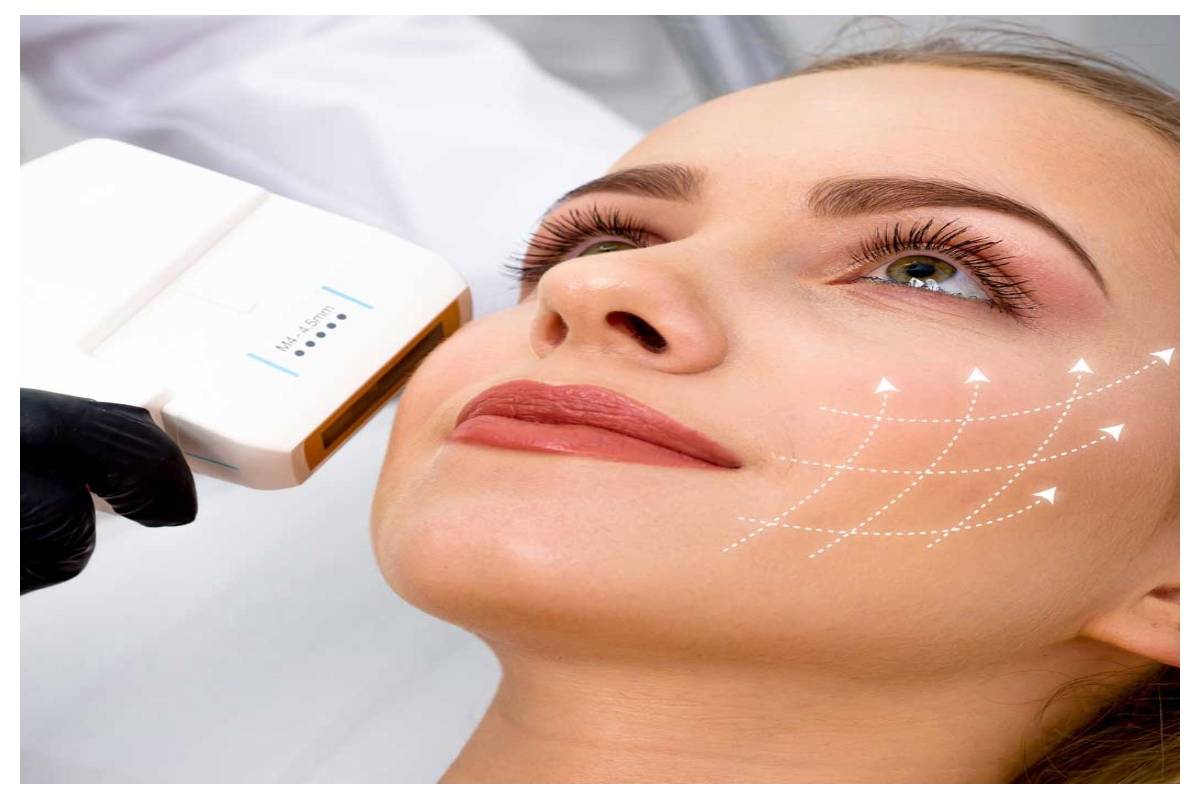
Skin and tissues gradually lose flexibility as you age. Consequently, the skin becomes saggy and wrinkled. A facelift, or rhytidectomy, is a surgical procedure that lifts and tightens the facial tissues.
A facelift might entail the removal of extra skin, the smoothing out of creases and wrinkles, and the tightening of facial tissue. It does not involve a brow or eye lift, however they may be performed concurrently. Face lifts will enhance your overall appearance.
A facelift will enhance your face by addressing the lower two-thirds of the face, as well as the neck and décolletage. Facelifts are done for several reasons, including concealing the symptoms of skin aging.
Table of Contents
What is Facelift Surgery?
A facelift (rhytidectomy) is a cosmetic surgical operation that makes your face seem younger. The operation may minimize drooping or folds of skin on the cheekbones and jawline, as well as other age-related changes in the structure of your face.
A face-lift includes removing a flap of skin from each side of the face and reshaping the tissues below to restore the face’s youthful shape. Excess skin is removed before the flap is sewn back together.
A neck lift is often performed in conjunction with a facelift to decrease fat deposits and drooping skin on the neck. A facelift will not decrease fine lines and wrinkles or repair sun damage. Other cosmetic operations may improve the look or quality of the skin.
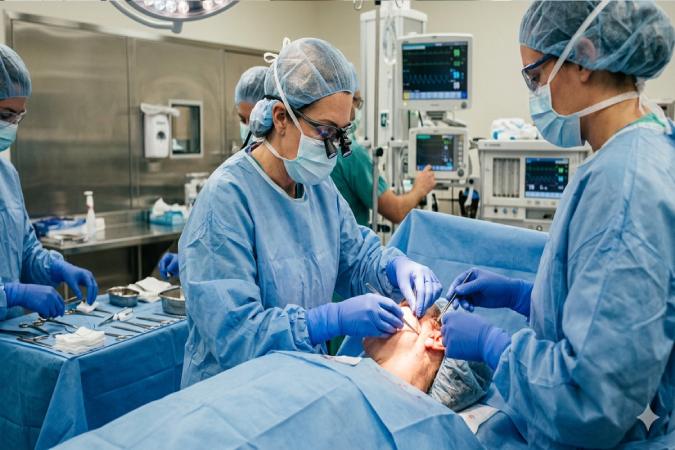
Procedure Of Facelift Surgery:
First, either a local or general anesthesia will be administered by your surgeon. To numb the region to be treated, a local anesthetic is applied. This implies that the patient will be awake throughout the surgery but will feel nothing.
To guarantee that the patient is completely asleep throughout the treatment, a general anesthetic is utilized. The surgeon will next make a cut in the temple region, right in front of the ear, for women. This cut will extend to the back of your ears and down to your earlobes at the hairline.
To get a realistic appearance, the surgeon will make incisions that follow the natural beard lines on males. The skin will remain gently raised so that the surgeon may remove any connective tissue and muscle. Fat, as well as extra sagging skin, may be removed at this time.
Stitches will be used to seal the wound once the extra skin has been removed. Facelift can be done in combination with chin augmentation or mentoplasty.This procedure might take between two and four hours to complete.
Recovering From Facelift Surgery:
Those who choose a mini-facelift over a regular facelift would most likely have a shorter recovery time. In any case, you should plan for some downtime to enable your body to relax and heal before returning to your typical routine.
It may take up to two weeks after a facelift to be able to get back on your feet, and up to four weeks to be able to begin intense activity. Specifics about what you can and can’t do may be obtained from your surgeon.
You should expect some soreness, swelling, or bruising, but the worst of it will go away within a few days. Medications may be given to you to assist you in getting through the most difficult portions of the healing process.
Surgery Carries Some Uncertainty And Risk
When a facelift is performed, there are a number of possible complications, including infection, haematomas, nerve damage, and allergic reactions to anesthesia. Smokers are more prone to have poor skin healing, necessitating surgical alterations.
Complications are uncommon and typically modest when you have your facelift done at a specialized, well-established plastic surgery clinic with highly trained and experienced physicians.
Facelift Recovery Timeline
Most “restaurant ready” in 2 weeks; full settle 3–12 months.
Week-by-Week Guide
| Week | Milestones | Tips |
| 1 | Swelling peaks; bruising | Ice 20 min/hr, elevate head |
| 2 | Stitches out; light work | Arnica reduces bruising |
| 4 | 80% swelling gone | Gentle walks |
| 12 | Final contours | Sunscreen starts |
Tips to Speed Healing
Hydrate, protein-rich diet, no straws/alcohol. Laser treatments post-6 weeks fade scars.
Risks, Complications, and Safety
Rare (5%): Hematoma, nerve weakness (temporary). Choose board-certified surgeons.
Facelift Cost in India and Worldwide
US: $12k–$25k. India: ₹2–5 lakhs ($2.5k–$6k), Hyderabad clinics ~₹2.5 lakhs.
Factors Affecting Price
Surgeon expertise, technique, hospital. Mini cheaper (₹1.5 lakhs).
Surgical vs. Non-Surgical Comparison
| Option | Cost (₹) | Downtime | Longevity |
| Full Facelift | 2–5L | 2 weeks | 10+ years |
| Thread Lift | 50k–1L | 3 days | 1–2 years |
| Ultherapy | 1–2L | None | 1–2 years |
How Long Do Facelift Results Last?
7–15 years; lifestyle (sun, smoking) shortens. Maintenance fillers extend.
Non-Surgical Facelift Alternatives
Milder sagging suits these.
Top Options in 2026
- Thread lifts: PDO threads lift instantly; collagen boost.
- Ultherapy/HIFU: Ultrasound tightens SMAS non-invasively.
- Fillers/Morpheus8: Volume + RF microneedling.
Choosing the Best Facelift Surgeon
Verify ISAPS certification, 100+ cases/year, natural before/afters. Consult 2–3.
Conclusion:
A facelift is a cosmetic operation that includes the removal of extra skin. The smoothing out of creases or wrinkles, and the tightening of facial tissue. It’s critical to remember vital preparation and recuperation measures. If you want to find out if a facelift is suitable for you. Consult with a board-certified plastic surgeon.
FAQ SECTION
How much does facelift surgery cost in India?
₹2–5 lakhs, depending on type and city; mini facelifts start at ₹1.5 lakhs.
What is the facelift recovery time?
2 weeks for social activities; full results in 3–12 months.
Does facelift surgery hurt?
Minimal post-op pain managed by meds; swelling more noticeable.
How long does a facelift last?
7–15 years with good skincare; deep plane longest.
What are non-surgical facelift alternatives?
Thread lifts, Ultherapy, fillers/RF – less downtime, shorter results.
Are facelift scars visible?
Hidden in hair/ear creases; fade in 6–12 months.
Best age for facelift?
40–60s when elasticity remains; earlier for prevention.
Facelift risks?
Bruising, swelling, rare infection/nerve issues (1–2%).