


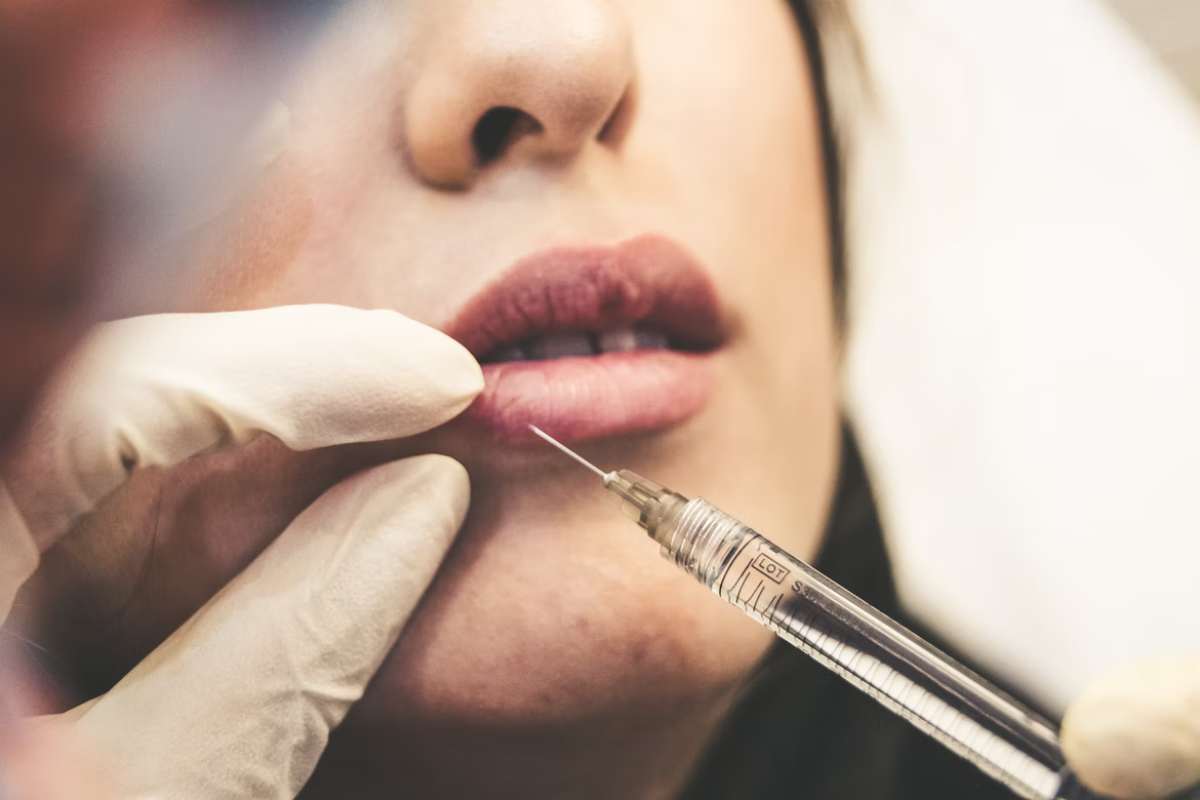
The wrinkles are smoothed using Botox, otherwise known as botulinum toxin injections that paralyze the muscles. The term Botox – the new crack of America originates in 2017 when the use of Botox was compared to drug addiction due to its skyrocketing popularity.
This is the question America is still asking, Is America hooked? with more than 7 million worldwide treatments in 2024. This paper explores statistics without leaving a myth behind and bringing up some genuine issues.
Table of Contents
What is Botox and Why the Hype?
Botox blocks nerve signals to muscles, reducing dynamic wrinkles like frown lines. Approved for cosmetics since 2002, it’s quick (10-15 mins), with effects lasting 3-6 months.
Hype grew from celebrity endorsements and “preventative” marketing to millennials, promising ageless skin. Yet, repeat needs fuel “addiction” labels.
Explosive Growth Stats in the US
US Botox procedures hit 4.7 million in 2023, up 6% from 2022—#1 nonsurgical cosmetic treatment.
- Yearly injections rose 459% in 2024-2025 trends.
- 94% on women; average age 43, but 24% aged 19-34.
- Men (“Brotox”): 6-10% of users.
Dana Berkowitz’s Botox Nation (2017) noted 41% rise in young women (19-34) from 2011-2015, a trend continuing.
| Year | US Procedures (Millions) | % Change |
| 2022 | 4.4 | – |
| 2023 | 4.7 | +6% |
| 2024 | ~7.4 (global est.) | +57% |
Botox Timeline: What to Expect from Day 1 to Month 4
Botox follows a standard timeline: subtle onset in days 3-5, peak at 10-14 days, and fade over 3-6 months, varying by area and individual factors like metabolism.
| Timeframe | What to Expect | Tips/Notes |
| Day 1 (Injection) | Mild redness, swelling, or bumps; resolves in hours. | Avoid rubbing face; stay upright 4 hours; no alcohol/saunas 24 hours. |
| Day 2 | Skin normalizes; no wrinkle changes. | Resume makeup gently; ice if needed. |
| Day 3 | Slight tightness/tingling; early relaxation starts. | Crow’s feet may soften first. |
| Day 4 | First softening of dynamic lines (e.g., frown lines). | Forehead: 3-5 days onset. |
| Days 5-7 | Noticeable smoothness; swelling gone. | Frown lines: 5-7 days. |
| Days 8-10 | Even refinement; natural but restricted movement. | Jawline: 5-7 days onset. |
| Day 14 (Peak) | 80-90% wrinkle reduction; full effects. | Schedule follow-up; assess touch-ups. |
| Month 1 | Optimal smoothness without frozen look (if dosed right). | Enjoy peak results. |
| Month 2 | 70-80% effect; subtle lines return. | Muscle activity resumes slowly. |
| Month 3 | ~50% retention; plan next treatment. | Duration: 3-4 months average. |
| Month 4 | Mostly faded; re-treat for maintenance. | Faster onset with repeats; metabolism speeds fade. |
Results vary: frown lines slower (14 days full), crow’s feet quicker. Always use licensed providers.
Is It Really Addictive Like Crack?
No physical addiction—Botox isn’t a drug like crack (cocaine). It’s psychological dependence: users chase the “frozen youth” look as effects fade, plus dopamine from compliments.
- Warning signs: Frequent visits beyond 3-4 months, dissatisfaction, “doctor shopping.”
- Studies link it to body dysmorphic disorder (BDD) in some.
- 2018 research: Facial freezing impairs emotion recognition and may worsen mood/sexual function.
Not “crack-like” chemically, but habitual like gym routines—20% get it yearly, 30% every 6-12 months.
Risks and Side Effects
Common: Bruising, headaches (temporary). Serious: Toxin spread (botulism-like), breathing issues, UTI (off-label).
Psychological: Reduced frowning may lift depression short-term, but laughter-line Botox links to higher depression; blunts emotions.
FDA 2025 crackdown on counterfeits caused injuries. Overuse risks “Botox face”—frozen expression.
Cultural Shift: Who’s Getting It?
Primarily white women, per Botox Nation, but Black Americans increasingly use it despite “Black don’t crack” trope.
Targeted at young pros fearing aging; economic ties—use peaks in booms. India ties: Rising global, but US leads consumption.
Pros, Cons, and Smart Alternatives
Pros:
- Quick confidence boost; prevents deeper lines if preventative.
- Minimal downtime vs. surgery.
Cons:
- Cost: $300-600/session, recurring.
- Dependency risk; emotion dampening.
- Not permanent—lifestyle factors (sun, stress) matter more.
Alternatives:
- Retinoids, sunscreen (evidence-based prevention).
- Microneedling, peptides for natural firmness.
- Yoga/fitness for glow (user-favored). (personalization note)
| Aspect | Botox | Alternatives |
| Duration | 3-6 months | Ongoing use |
| Cost/Year | $1,200+ | $200-500 |
| Risks | Toxin spread | Mild irritation |
FAQ Section
Is Botox physically addictive?
No, no withdrawal like drugs; psychological habit from results fading.
How many Americans get Botox yearly?
About 4.7M in 2023, ~1.4% population.
Can Botox cause depression?
Possible if it impairs emotions; mixed studies.
Safe for 20s?
Preventative ok sparingly, but risks outweigh for most.
FDA warnings on Botox?
Counterfeits risky; use licensed providers.
Conclusion
Botox – The New Crack of America? While the sensational label captures the psychological pull of its booming popularity—4.7 million U.S. procedures in 2023 and rising—true addiction is a myth rooted in habit, not chemistry. Informed users can enjoy its quick confidence boost without dependency, prioritizing lifestyle basics like sun protection, yoga, and peptides over repeated needles for sustainable, natural glow.