




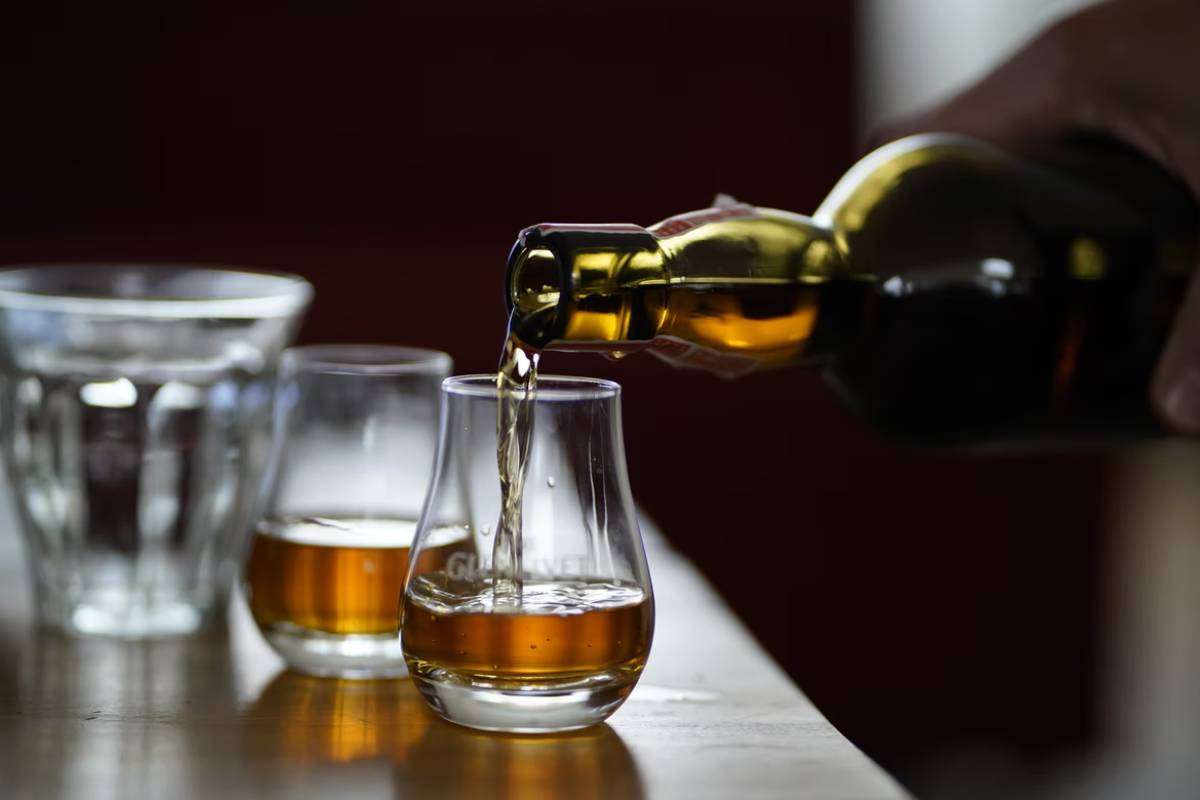
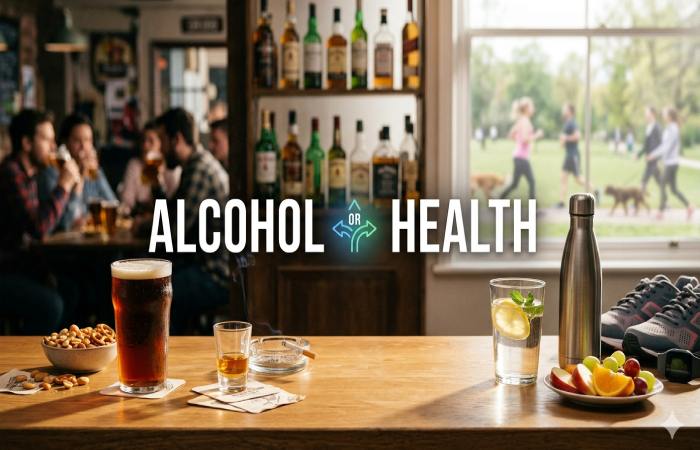
People enjoy alcohol for relaxation, socializing, or rituals. But health warnings have intensified.
Table of Contents
Why People Struggle with This Choice
Conflicting messages confuse: older studies praised moderate wine for hearts, while 2025-2026 updates from CDC and WHO stress risks even at low levels. Social pressure adds pain—skipping drinks feels isolating, yet hangovers and doctor visits erode wellness.
Current Science Shift (2025-2026 Guidelines)
No more “benefits outweigh risks” narrative. Guidelines now cap at 2 drinks/week max or zero, as even light use links to cancer and aging. Stanford experts call past moderate claims “misleading.”
Purported Benefits of Alcohol
Moderate drinking (1 drink/day women, 2 men) gets credit for perks, but evidence weakens.
Heart Health Claims
Some data shows HDL cholesterol rises, potentially cutting heart disease by 25%. Red wine antioxidants like resveratrol fight inflammation. Yet, confounders explain much—drinkers often exercise more, eat better.
Diabetes and Gallstones
Light intake may lower type 2 diabetes risk via insulin sensitivity. Gallstone odds drop too. But excess raises triglycerides, worsening metabolic issues.
Social and Mental Boosts?
A drink eases anxiety short-term, aids sleep onset. Mayo notes lower dementia hints in moderators. Reality: rebound worsens mood, sleep quality plummets.
Serious Health Risks of Alcohol
Risks stack fast—140,000 US deaths yearly from excess.
Cancer Connections
Alcohol causes 7 cancers: breast (even 1 drink/day ups 5-10%), mouth, liver, colon. It metabolizes to carcinogen acetaldehyde.
Liver and Heart Damage
Fatty liver hits 90% heavy drinkers; cirrhosis follows. Heart: arrhythmias, failure, stroke rise. Men face extra blood pressure spikes.
Brain, Weight, and Immunity Effects
Shrinks brain volume, hikes dementia 20%. Empty calories pack 7/liter beer; weakens immunity, raising infections. Mental health: depression doubles, anxiety flares.
No Safe Level? What Experts Say Now
CDC: Less is better; zero safest.
Moderate Drinking Redefined
2026 views: No mortality benefit vs. abstinence. Harvard: Even modest raises breast/esophageal cancer.
Heavy vs. Light Use Breakdown
| Consumption Level | Daily Amount | Key Risks | Potential Upsides |
| None | 0 | Baseline health | None |
| Light/Moderate | 1-2 drinks | Cancer +5-15%, sleep disruption | Possible HDL boost (debated) |
| Heavy | 3+ drinks | Liver disease 5x, addiction 4x | None |
Binge (4+ women/5+ men) multiplies acute harms like accidents.
Benefits of Choosing Health Over Alcohol
Ditching booze transforms health—fast.
Quitting Timeline: What to Expect
Week 1: Better sleep, hydration; anxiety peaks (withdrawal).
Month 1: 5-10lb loss, skin glows, energy surges.
Year 1: Cancer risk drops 30% (mouth), liver heals if early.
Long-term: +2-5 years life expectancy, sharper cognition.
Long-Term Gains for Body and Mind
Lower diabetes/heart risks, stable weight, robust immunity. Mental clarity improves; depression lifts as dopamine normalizes. Men’s testosterone rebounds 20%.
Alcohol Types: Which is “Healthier”?
All ethanol harms, but variances exist.
Red Wine vs. Spirits vs. Beer
Red wine edges with polyphenols, but vodka/gin (clear) easier on liver short-term. Beer bloats; high-ABV spirits riskier. Table:
| Type | ABV | Health Notes |
| Red Wine | 12-14% | Antioxidants; cancer link same |
| Beer | 4-6% | Folic acid; calorie-heavy |
| Vodka/Gin | 40%+ | Fewer congeners; dehydration high |
| Whiskey/Rum | 40% | Liver strain; no perks |
Lowest ABV wins if drinking.
Making Your Decision: A Personal Framework
Weigh factors personally.
Factors to Weigh (Age, Genetics, Lifestyle)
Under 40? Risks compound over decades. Family cancer history? Avoid. Active yogi (like you)? Skip to amplify gains. Genetics: 30% process alcohol poorly.
Decision Table
| Scenario | Choose Alcohol? | Choose Health? | Why |
| Social only, 1/wk | Possible (low risk) | Better | Minimal upside |
| Daily habit | No | Yes | Cumulative damage |
| Health goals (yoga, wellness) | No | Yes | Maximizes fitness |
| Stress coping | No | Yes | Builds resilience |
Track intake app; consult doc.
Healthier Alternatives to Alcohol
Swap without sacrifice.
Non-Alcoholic Options
NA beers (0.5% ABV), mocktails with adaptogens. Brands like Athletic Brewing match taste.
Lifestyle Swaps for Social Drinking
Kombucha for fizz, herbal teas for unwind. Yoga post-socializing beats hangover recovery—aligns your wellness routine.
Prioritizing health over alcohol unlocks vitality. Science screams less is best; your body thanks zero most. Start small: Dry month, track changes.
FAQ SECTION
Is any amount of alcohol safe for health?
No—2026 consensus: Risk starts at first sip, especially cancer/brain effects. Less than 2/week minimizes harm.
What counts as moderate drinking?
Women: 1 drink/day max; men: 2. But guidelines push zero or <2/week total.
Does red wine have real health benefits?
Antioxidants help slightly, but cancer/heart risks outweigh. Clear spirits marginally better.
What happens to your body after quitting alcohol?
Week 1: Better sleep; Month 1: Weight loss, energy; Year+: Lower disease risk, longevity boost.
Can alcohol improve heart health?
Old claim via HDL; now debunked—lifestyle confounders. Exercise/diet superior.
Is alcohol worse for men’s health?
Yes—testosterone drops, liver strain higher, aggression links.
How to enjoy social life without alcohol?
NA drinks, mocktails, focus activities like yoga. Benefits outweigh FOMO.
What’s the safest alcohol if I must drink?
Lowest ABV, occasional red wine. But healthiest: None.