






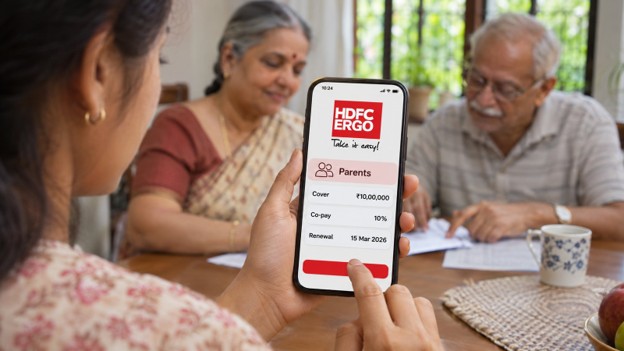
No, your parents’ existing health insurance may not be enough after 55, even if they have renewed it regularly. Medical needs can change with age, and hospital bills can take up a large part of the sum insured.
An older policy may also have room rent limits, co-payments or exclusions that leave expenses unpaid. This does not mean they must buy a new plan immediately. First, check the current cover and identify gaps before deciding whether extra protection is needed.
A few simple practical checks now can prevent difficult decisions during a medical emergency.
Table of Contents
Why Existing Health Insurance May Not Be Enough for Parents Above 55
Your parents may have maintained their cover for years, yet changes in treatment costs and family arrangements can create gaps.
Rising Medical Costs and Healthcare Inflation
Hospital charges, specialist fees and treatments can increase bills. Older coverage amounts may not stretch far enough.
Inadequate Sum Insured for Major Treatments
A long hospital stay or major operation could exhaust the sum insured, leaving the family to pay the balance.
Limitations of Family Floater Policies
A family floater shares one cover. A large claim by one member can reduce funds available to others.
Dependence on Employer-Provided Health Insurance
Employer cover may end after retirement or a job change. Check whether your parents have independent protection.
Medical Coverage Gaps Parents Should Watch Out For
A policy can be active and still leave expenses unpaid. Read the conditions that affect claims, not just its benefits.
Pre-Existing Disease Waiting Periods
New cover may impose waiting periods for some disclosed illnesses. Before replacing a policy, ask whether existing waiting-period credits will transfer under portability rules.
Co-Payment Clauses and Room Rent Limits
Co-payment means paying part of an eligible bill. Room limits can also increase out-of-pocket expenses.
Sub-Limits on Treatments and Hospitalisation
Some plans cap payments for particular procedures. The full sum insured may not apply to every treatment.
Exclusions for Age-Related Health Conditions
Not every ageing-related condition or treatment is covered. Read exclusions and ask the insurer about specific medical procedures.
Existing Health Insurance vs Separate Coverage for Parents
Keeping a familiar policy may be sensible, but additional individual cover could offer greater security when family needs have changed.
Comparing Coverage and Premium Costs
Look beyond premiums. Deductibles, co-payments and treatment limits can make an affordable policy costly during hospitalisation.
When to Consider a Separate Health Insurance Policy
Separate health insurance for parents may help when they share a floater with younger relatives or need dedicated protection.
Choosing an Adequate Sum Insured After 55
Factor in health needs, local hospital charges and existing benefits. Choose cover the family can maintain.
Important Policy Terms to Review Before Renewing
Renewal is a useful time to check what has improved, what remains restricted and whether important continuity benefits stay protected.
No-Claim Bonus and Restoration Benefits
A no-claim bonus may raise cover or reduce premiums. Restoration replenishes cover only under specified conditions.
Lifelong Renewability and Policy Continuity
Insurers generally cannot deny renewal solely for previous claims. Timely renewal preserves valuable continuity benefits.
Medical Underwriting and Premium Loading
Disclose medical history when requesting new or higher cover. Underwriting may bring conditions or additional premiums.
How to Strengthen Your Parents’ Health Insurance Coverage
You may not need to discard the existing policy. Targeted changes can improve protection while preserving valuable benefits already earned.
Increasing Coverage Through a Super Top-Up Plan
A super top-up adds protection once eligible hospital bills cross its deductible during the policy year. Check the deductible and exclusions.
Reviewing Existing Benefits and Policy Exclusions
Check the Customer Information Sheet for exclusions, limits and waiting periods. Confirm nearby network hospitals.
Planning for Future Medical Expenses
Budget for future treatments and rising premiums. Keep savings for expenses your insurer does not cover.
Conclusion
Your parents’ existing health insurance may still be useful after 55, particularly when it offers continuous cover and valuable renewal benefits. The real concern is whether its limits match their present medical needs. Check the sum insured, co-payments, exclusions and dependence on family or employer cover. If gaps remain, consider strengthening the current policy or adding separate protection without giving up continuity benefits unnecessarily. Review the options carefully before renewal.