





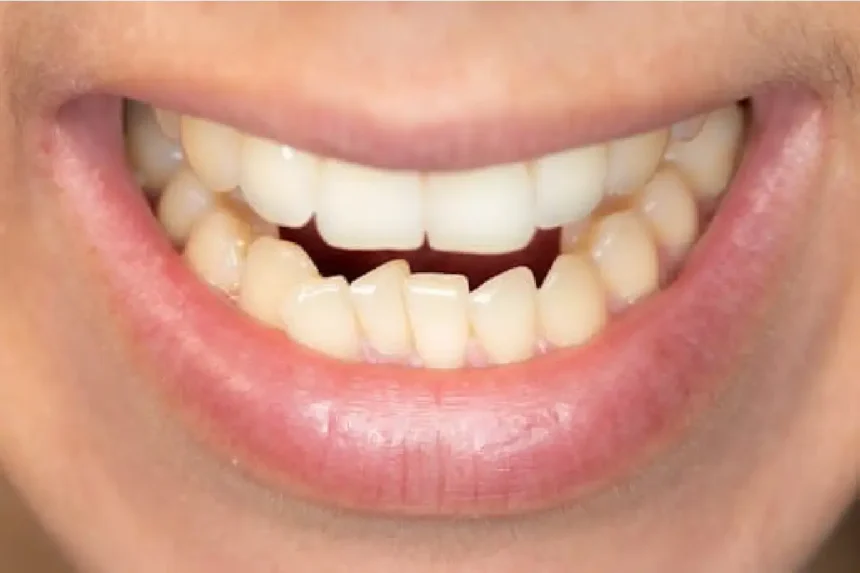
Noticing that your teeth have shifted after orthodontic treatment can be frustrating, especially if you were happy with your smile when treatment ended. Tooth movement after braces or aligners is common, and it does not mean you did anything wrong. Teeth can shift over time, particularly if a retainer is lost, damaged, or no longer worn as directed. The right next step depends on how much movement has occurred and on your current dental health, so it’s best to have an orthodontist evaluate your smile rather than guessing from photos or trying to force an old retainer into place.
For some adults, online teeth straightening may be an option for minor alignment changes or a small relapse after previous orthodontic treatment. Smile Express is an orthodontist-guided Invisalign® program for adults, with an initial consultation and digital scan, custom aligners, and remote check-ins through the Smile Express app at participating locations. An orthodontist can help determine whether this type of treatment fits your needs.
Why Teeth Can Shift After Orthodontic Treatment
Orthodontic treatment moves teeth into new positions, but those positions can change over time. Retainers help hold teeth in place after active treatment. If you stop wearing a retainer or wear it less often than recommended, teeth may begin to move. Natural changes over a person’s lifetime can also affect tooth position and bite.
If your retainer feels tighter than it used to, that may be a sign that your teeth have shifted. If it no longer fits fully or causes pain, don’t force it into place. Contact an orthodontist for advice. A professional can assess the amount of movement, check your bite and oral health, and explain whether a replacement retainer, a short course of aligners, or another approach may be appropriate.
The amount of movement matters. A subtle change in spacing may call for a different plan than a shift that affects your bite or several teeth. Photos and online comparisons can provide context, but they cannot show the full condition of your teeth, gums, or bite. An exam is the useful starting point.
If you’re searching for an orthodontist near me, look for a provider who can examine your smile, discuss what has changed, and explain your options. Ask whether the concern is suitable for limited aligner treatment or whether comprehensive orthodontic care would be a better fit. The answer depends on your individual case.
What to Know About Getting Your Smile Back on Track
A consultation can help you understand what caused the change and what treatment, if any, is recommended. Be ready to describe your previous orthodontic treatment, how often you have worn your retainer, and when you first noticed the shift. Bring your current retainer if you have one. These details can help the orthodontist assess what is happening and talk through next steps.
For minor relapse, an orthodontist may recommend a limited aligner plan. More complex changes may need comprehensive treatment or a different solution. Smile Express is intended for adults seeking minor cosmetic adjustments; it may not be suitable for complex orthodontic cases. Treatment length and results vary, so ask what is realistic for your smile and what follow-up care will involve.
Cost is another part of planning. When comparing affordable invisalign options, consider the full treatment price, what is included, whether your dental insurance may contribute, and whether payment plans are available. Ask about retainers and follow-up care, too, so you understand the complete plan rather than only the monthly payment. Insurance coverage and out-of-pocket costs vary.
Once you finish treatment, follow the retainer schedule your orthodontist recommends. Contact the provider if a retainer is lost, damaged, or uncomfortable, rather than waiting for more movement to occur. Regular dental checkups and good oral hygiene also help you care for your teeth and gums throughout treatment.
Teeth shifting can be addressed, but the right response begins with an evaluation. An orthodontist can help distinguish minor movement from a more involved change and explain a treatment plan suited to your needs. With clear guidance and consistent retainer habits afterward, you can take informed steps toward a smile that feels right for you.