





Starting CPAP therapy can bring relief for many people suffering from sleep apnea. People may not understand why they wake up feeling tired, but with the right equipment that provides consistent pressurized airflow, they may sleep more restfully that can help improve their day. However, many might initially feel uncertain, especially if they have never experienced sleep while wearing a medical device.
The first few nights of trying to sleep with the machine on can be challenging, but they don’t reflect how comfortable and beneficial the therapy may feel over time. Some users may initially adjust their headgear too tightly, making it uncomfortable, while others may need to try a different mask. Find info about how to get high-quality sleep when you go to this site.
These small changes can make consistent use easier, and fortunately, there’s professional guidance that can help make the entire transition less stressful. Instead of trying to solve every issue alone, many patients can work with the experts to understand the whole setup and maintain the equipment properly.
Table of Contents
What Can Patients Do?
Be Clear on the Purpose of the Equipment
CPAP therapy delivers a steady stream of air that can keep one’s airways open while they’re sleeping. The pressure is based on the patient’s medical assessment performed by their doctors and therefore, selecting the right machine involves more than just choosing the least expensive option.
Healthcare professionals may recommend a fixed-pressure machine or another type based on their prescribed treatment. An automatic device may also be an option but know that they’re going to operate differently.
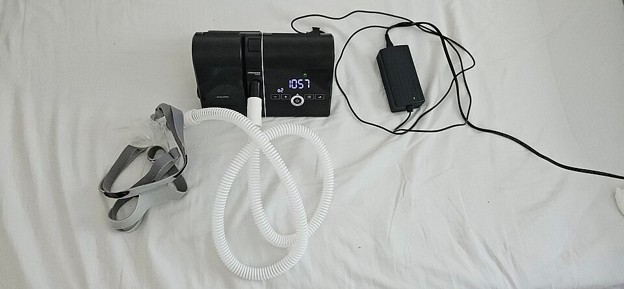
A patient should become familiar with the information that’s displayed on the machine. Some may show usage hours while others have humidifier settings that one can adjust depending on their needs.
How to Create a Comfortable Sleeping Setup?
After getting the right machine, its placement can affect one’s safety. The equipment should rest on a stable surface, and it should be positioned near the bed with enough surrounding space for ventilation. Positioning it slightly below mattress level may help prevent condensation from traveling through the hose and reaching the mask.
There should be enough room for the tubing to move even if the sleeper changes position throughout the night. It should not be sharply bent or stretched across a walkway where someone could trip over it. Many users prefer routing the hose above the headboard, while others find it more comfortable to place it beside the pillow.
Take Time to Familiarize the Mask
Although the experience of wearing equipment while sleeping is new for most people, they can become accustomed to this by putting the mask on while they’re watching television. This can be done before they sleep, and they can turn on the machine after they feel that the fit is secure. It’s a gradual approach that can help them practice breathing without feeling pressured to fall asleep immediately.
The headgear should keep the cushion in place without pain, and it’s best not to overtighten the strap to avoid distorting the seal. Make adjustments to avoid leaving noticeable marks on the face, and the mask should be adjusted while the user is lying in their usual sleeping position with the machine running.
Full-face masks can be an excellent option for people who tend to breathe through their mouth, while the nasal masks provide less facial coverage, while nasal pillows minimize contact with the face. Find information from Copper Star CPAP Therapy Supplies to get the best option that’s based on your needs. They can discuss features that work best for your situation, and you can also visit their store to try different models beforehand.
How to Manage Dryness?
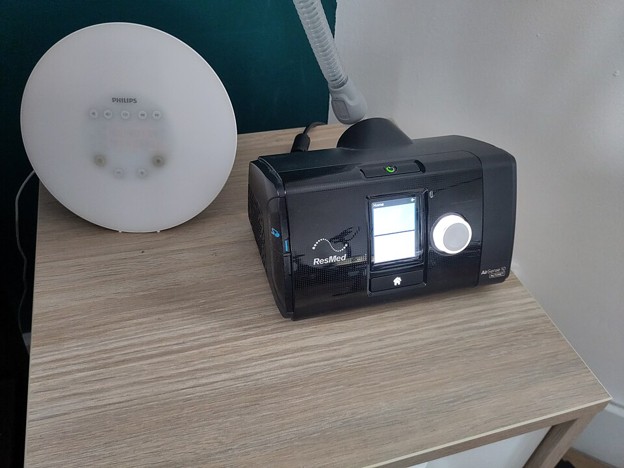
Pressurized airflow can cause dryness in the throat, and this is where an integrated humidifier adds moisture. It improves comfort, and ideally, the humidity setting should be adjusted for comfort and according to professional recommendations and they should depend on individual sensitivity.
Excess moisture can create condensation inside the tubing, and this is known as a rainout. A lower humidity setting can control this problem, and heated tubing cover may help reduce condensation. Use the appropriate tubing cover to avoid exposure to cooler air surrounding it and prevent too much moisture from forming.
Keep Every Component in Good Condition
CPAP systems have lots of components, and they are composed of more than just the primary device. The performance can depend on various additions like water chambers, and some parts wear out faster than others. See more info about a CPAP system when you visit this page here: https://www.mayoclinic.org/diseases-conditions/obstructive-sleep-apnea/in-depth/cpap/art-20044164.
Also, damage isn’t always easy to spot, and an example is a cushion that can gradually soften while it loses its seal. Some filters can become clogged, so regular inspections are a must to replace the worn components before they interfere with treatment.