






Might Need to See a Physical Therapist. Physical discomfort is something most people experience at some point in their lives. Whether it’s back pain from sitting too long, stiffness after an injury, or muscle soreness from physical activity, many issues resolve on their own. However, some symptoms may indicate that professional help from a physical therapist could significantly improve your recovery and overall mobility.
A physical therapist specializes in helping people restore movement, reduce pain, and improve physical function after injuries, surgeries, or chronic health conditions.
Knowing when to seek professional help can prevent minor issues from turning into long-term health problems. This guide explains the most common signs that you might need to see a physical therapist and how therapy can help improve your quality of life.
Table of Contents
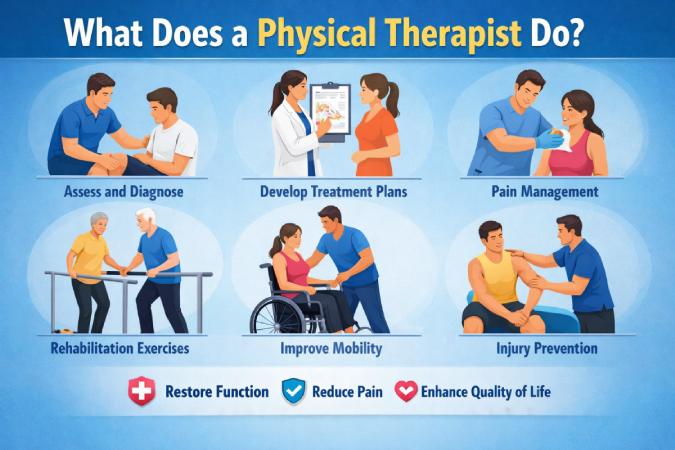
What Does a Physical Therapist Do?
A physical therapist is a healthcare professional trained to evaluate movement problems and develop treatment plans that improve strength, mobility, and physical function.
They typically help patients:
- Reduce pain
- Recover from injuries
- Improve mobility
- Prevent further injury
- Rehabilitate after surgery
- Manage chronic conditions
Physical therapy often includes guided exercises, stretching, joint mobilization, and posture correction techniques tailored to each patient’s condition.
Why Physical Therapy Is Important for Long-Term Health
Physical therapy focuses on improving how the body moves and functions. Rather than relying solely on medication or surgery, therapy addresses the root cause of physical limitations.
Benefits include:
- Improved mobility
- Better posture
- Stronger muscles
- Reduced pain
- Faster recovery from injuries
- Prevention of future injuries
Early intervention can significantly improve recovery outcomes and reduce healthcare costs over time.
10 Signs You Might Need to See a Physical Therapist
1. Persistent Pain That Won’t Go Away
Pain lasting more than two to three weeks may indicate a deeper issue such as muscle imbalance, joint dysfunction, or inflammation.
Common examples include:
- Chronic back pain
- Neck stiffness
- Shoulder pain
- Knee pain
A physical therapist can evaluate the cause and design a targeted treatment plan.
2. Limited Mobility or Stiffness
If you struggle with everyday movements like:
- bending
- reaching overhead
- turning your neck
- walking long distances
you may have reduced joint mobility or muscle tightness.
Physical therapy can restore flexibility and improve your range of motion.
3. Recovery After Injury or Surgery
After injuries such as fractures, ligament tears, or surgery, physical therapy plays a crucial role in recovery.
Therapists help patients:
- rebuild muscle strength
- restore mobility
- prevent reinjury
Rehabilitation exercises significantly improve recovery speed and long-term function.
4. Frequent Muscle or Joint Pain
Recurring pain during physical activity or daily tasks may signal:
- muscle imbalances
- joint instability
- improper movement patterns
A physical therapist can analyze movement patterns and correct them through targeted exercises.
5. Balance or Coordination Problems
Frequent falls or dizziness when walking could indicate balance issues related to:
- muscle weakness
- neurological conditions
- vestibular disorders
Therapists often use balance training and strengthening exercises to improve stability.
6. Difficulty Performing Daily Activities
If simple tasks like climbing stairs, lifting objects, or walking become difficult, physical therapy may help restore independence.
Therapists focus on improving functional movements that are essential for everyday life.
7. Sports Injuries
Athletes commonly visit physical therapists for injuries such as:
- sprains
- muscle strains
- ligament tears
- tendonitis
Therapy helps athletes safely return to activity and prevents future injuries.
8. Poor Posture and Back Pain
Modern lifestyles often involve prolonged sitting and screen time, which can lead to posture-related issues.
Common symptoms include:
- neck pain
- shoulder tension
- lower back pain
Physical therapists help correct posture and strengthen supportive muscles.
9. Chronic Health Conditions
Physical therapy is also used to manage long-term health conditions such as:
- arthritis
- diabetes
- heart disease
- neurological disorders
Therapists design exercise programs that improve mobility and overall health.
10. Preventing Future Injuries
Many people think therapy is only for injuries, but preventive physical therapy can help detect movement issues before they cause pain.
Therapists evaluate:
- flexibility
- strength
- posture
- movement patterns
and provide exercises to reduce injury risk.
Common Conditions Treated by Physical Therapists
Physical therapists treat a wide range of conditions including:
| Condition | How Physical Therapy Helps |
| Back pain | Strengthens core muscles |
| Sports injuries | Restores movement |
| Arthritis | Improves joint mobility |
| Stroke recovery | Restores coordination |
| Post-surgery rehab | Rebuilds strength |
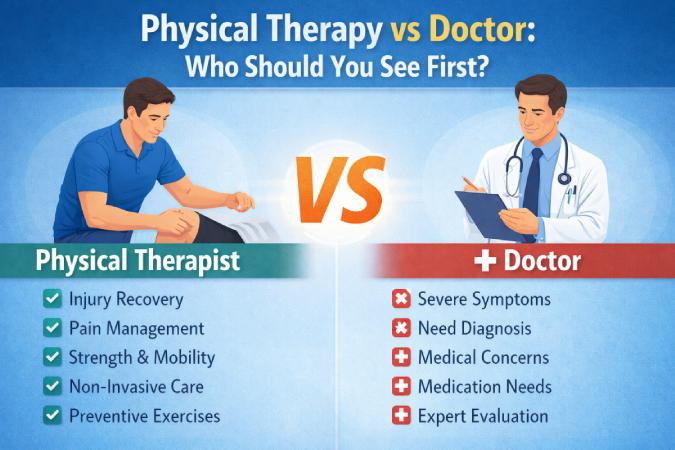
Physical Therapy vs Doctor: Who Should You See First?
In many cases, you can visit a physical therapist directly without a referral depending on local healthcare regulations.
However, you should see a doctor first if you experience:
- severe pain
- sudden swelling
- numbness
- fever with pain
- unexplained weight loss
These may indicate underlying medical conditions requiring diagnosis.
What Happens During Your First Physical Therapy Appointment
Your first visit usually includes:
- Medical history review
- Physical examination
- Movement assessment
- Pain evaluation
- Treatment plan development
You may also receive home exercises to continue between sessions.
Benefits of Seeing a Physical Therapist Early
Early treatment offers several advantages:
- Faster recovery
- Reduced pain
- Lower risk of chronic injury
- Avoidance of unnecessary surgery
- Improved physical performance
Self-Assessment Checklist
You might need physical therapy if you answer yes to any of these:
- Pain lasts longer than 3 weeks
- Movement feels restricted
- Daily activities are difficult
- Injuries keep recurring
- Balance problems occur frequently
Top 5 Physical Therapy Clinics in Hyderabad
| Clinic Name | Rating | Specialty | Address | Phone |
| Jaya Physio Clinics | 4.9 ⭐ | Sports injuries, back pain, post-surgery rehabilitation | 3rd Floor, Prakash Nilayam Building, Plot 266, beside D-Mart, Kavuri Hills, Madhapur, Hyderabad, Telangana 500081 | +91 98496 95691 |
| Activelife Physiotherapy & Chiro Laser Osteopathy | 4.9 ⭐ | Chiropractic therapy, laser therapy, rehabilitation | 1st Floor, Plot No. C/16, above Karur Vysya Bank, Kukatpally Housing Board Colony, Phase 1, KPHB Phase 1, Kukatpally, Hyderabad, Telangana 500072 | +91 98491 81716 |
| Physiomend Sports Wellness Clinic | 4.9 ⭐ | Sports injury rehab, orthopedic physiotherapy | Second Floor, Plot No. 32 A, Road No. 5, Film Nagar, Hyderabad, Telangana 500033 | +91 91333 32009 |
| Physioshine – Advanced Neuro & Chiropractic Centre | 4.7 ⭐ | Neurological rehab, spine therapy, chiropractic | MNR Complex, 3-6-318, SBH Colony, opposite SBI Bank, near Metro Station, Shivapuri Colony, L. B. Nagar, Hyderabad, Telangana 500074 | +91 83091 99733 |
| Physio Life Physiotherapy Clinic | 5.0 ⭐ | Musculoskeletal pain, sports injuries, post-operative rehab | 20-7-311 to 313/1, Fathe Darwaza Road, Qazipura, Shah Ali Banda, Hyderabad, Telangana 500065 | +91 97046 88920 |
Key Services These Clinics Typically Offer
Most physical therapy clinics provide treatments such as:
- Pain management therapy
- Sports injury rehabilitation
- Post-surgery physiotherapy
- Spine and posture correction therapy
- Neurological rehabilitation
- Strength and mobility training
These clinics are widely known in Hyderabad for helping patients recover from injuries, chronic pain, and mobility issues through specialized physical therapy programs.
Final Thoughts
Ignoring physical discomfort can lead to long-term health problems. If pain, stiffness, or mobility issues interfere with your daily activities, consulting a physical therapist may help you recover faster and prevent further complications.
Physical therapy focuses on improving movement and restoring function, making it a valuable treatment option for both injury recovery and preventive health care.
FAQ SECTION
How do I know if I need a physical therapist?
If you experience persistent pain, mobility limitations, recurring injuries, or difficulty performing daily tasks, physical therapy may help.
Can I see a physical therapist without a doctor referral?
In many places, direct access allows patients to visit a physical therapist without a referral.
How long does physical therapy take?
Treatment duration depends on the condition but typically ranges from 4–12 weeks.
Does physical therapy hurt?
Most therapy exercises are designed to reduce pain, though mild soreness can occur during recovery.
Can physical therapy prevent surgery?
In many cases, therapy strengthens muscles and joints enough to avoid surgical intervention.